

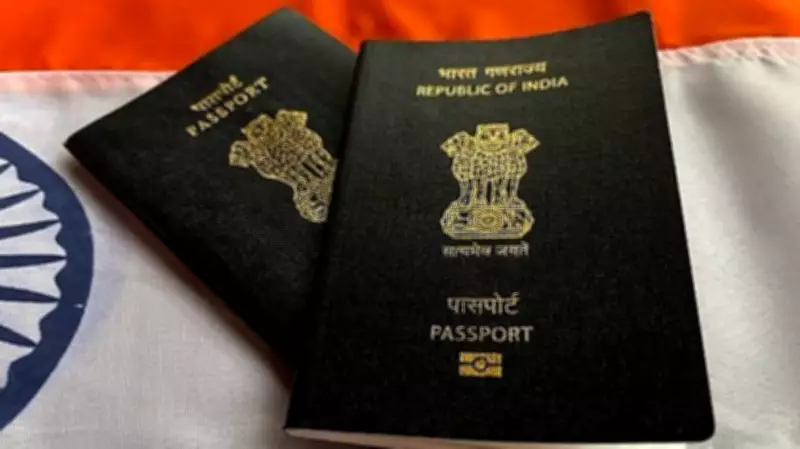
The Ministry of External Affairs (MEA) has clarified that India is among several countries where a passport is not accepted as sole proof of citizenship. The statement comes amid growing confusion over the validity of passports as identity documents for citizenship verification.
Global Practices on Passport Validity
According to the MEA, countries including the United States, Italy, and many others require additional documentation beyond a passport to establish citizenship. The passport, while a primary travel document, does not automatically confer citizenship status in these nations.
In the United States, for instance, a passport is considered strong evidence of citizenship but not conclusive. Citizens may need to provide birth certificates or naturalization certificates in certain legal contexts. Similarly, Italy requires proof of citizenship through civil status documents.

India's Position
The MEA emphasized that India follows a similar approach. An Indian passport is a travel document issued to citizens, but for official purposes such as voting, property registration, or government benefits, citizens may need to produce additional proof like a birth certificate, voter ID, or Aadhaar card.
"A passport is not a standalone proof of citizenship in India," an MEA official stated. "It is one among several documents that can establish citizenship."
Implications for Citizens
This clarification has significant implications for Indians living abroad and those dealing with bureaucratic processes at home. Travelers are advised to carry multiple forms of identification when dealing with immigration or legal authorities.
The MEA urged citizens to familiarize themselves with the document requirements of the countries they visit or reside in. "Each nation has its own rules. A passport may be sufficient for travel but not for proving citizenship in all contexts," the official added.
As global mobility increases, understanding these nuances becomes crucial for seamless international travel and legal compliance.






