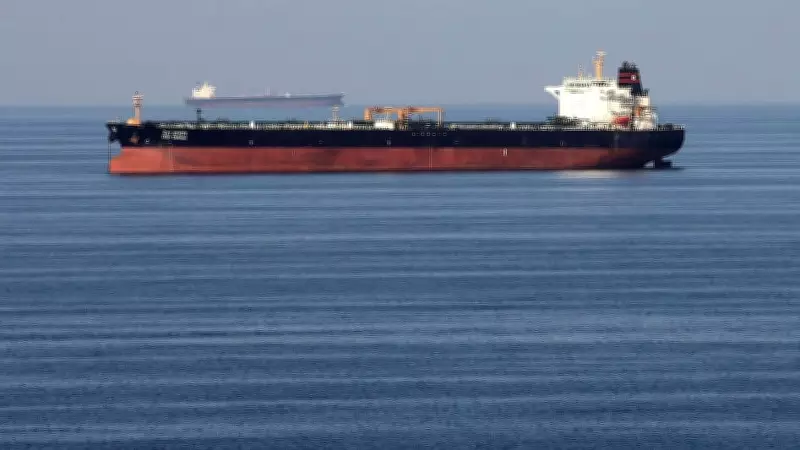
India's Strategic Vulnerabilities in Iran Conflict Extend Far Beyond Oil Imports
The escalating conflict in Iran has plunged India into a precarious situation, with risks that stretch far beyond the immediate disruption of oil supplies. While the focus often centers on energy security, the current standstill in the Strait of Hormuz—a critical maritime chokepoint—reveals deeper strategic challenges for New Delhi.
Oil Trade at a Standstill: A Direct Hit to Energy Security
The Strait of Hormuz serves as the primary conduit for approximately half of India's total energy imports, making it a lifeline for the nation's economy. With oil trade through this narrow passage now at a complete standstill due to the Iran conflict, India faces an urgent threat to its energy security. This disruption could lead to skyrocketing fuel prices, inflationary pressures, and potential economic slowdown, impacting everything from transportation to industrial production.
India, as one of the world's largest oil importers, relies heavily on Middle Eastern crude, and any prolonged closure of the strait would force costly rerouting of shipments or increased dependence on alternative, often more expensive, suppliers. This scenario underscores the fragility of global supply chains and India's exposure to geopolitical volatility in a key region.

Broader Strategic Risks: Trade, Diplomacy, and Regional Stability
Beyond oil, the conflict poses significant risks to India's broader strategic interests. The Strait of Hormuz is not just an oil route; it is a vital corridor for general maritime trade, including goods and commodities essential to India's manufacturing and consumption. A prolonged disruption could:
- Hinder India's trade with partners in the Gulf and beyond, affecting exports and imports.
- Complicate diplomatic relations with Iran and other Middle Eastern nations, where India has invested in projects like the Chabahar port for regional connectivity.
- Increase security concerns in the Indian Ocean region, potentially necessitating heightened naval presence and defense expenditures.
Moreover, the conflict threatens to destabilize the wider Middle East, an area where India has deep economic and diaspora ties. Instability could lead to reduced remittances from Indian workers in the Gulf, further straining the economy.
Navigating the Crisis: India's Path Forward
To mitigate these risks, India must adopt a multi-faceted approach. This includes diversifying energy sources by accelerating investments in renewables and exploring partnerships with other oil-producing nations. Diplomatically, New Delhi should engage in shuttle diplomacy to help de-escalate tensions, leveraging its relationships with both Iran and global powers.
Enhancing domestic strategic oil reserves and investing in alternative transport routes, such as overland pipelines or expanded port capacities, could also reduce dependency on the Strait of Hormuz. Ultimately, this crisis highlights the need for India to build greater resilience in its energy and trade policies to withstand future geopolitical shocks.
In summary, while the oil trade disruption is an immediate concern, the Iran conflict exposes India to a web of strategic vulnerabilities that demand urgent and comprehensive action to safeguard national interests.