

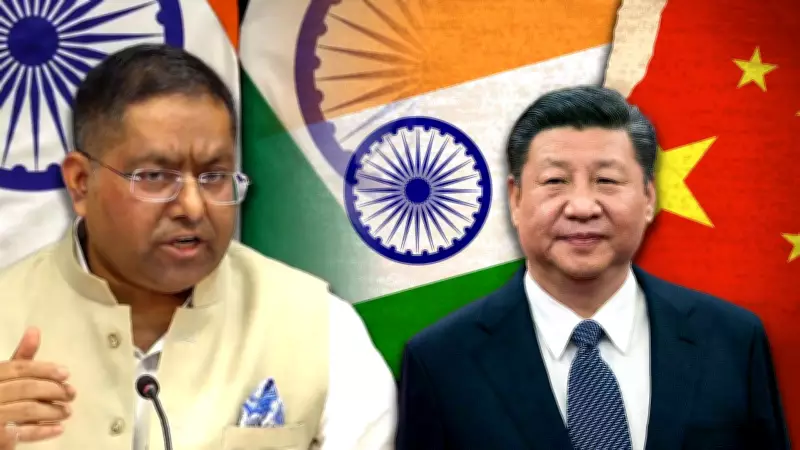
India Issues Strong Rejection of China's Renaming Attempts in Arunachal Pradesh
The Ministry of External Affairs has delivered a firm response to reports that China is assigning fictitious names to locations within Indian territory, specifically in the northeastern state of Arunachal Pradesh. In a statement issued on Sunday, MEA spokesperson Randhir Jaiswal categorically rejected these attempts, describing them as mischievous and baseless actions that could negatively impact ongoing efforts to stabilize and normalize bilateral relations between the two neighboring nations.
India's Unwavering Position on Territorial Sovereignty
Jaiswal emphasized that renaming places does not alter the ground reality of territorial control and reaffirmed India's firm commitment to safeguarding its sovereignty and territorial integrity. The statement represents India's latest diplomatic pushback against what it perceives as China's continued efforts to assert claims over disputed border regions through administrative measures rather than diplomatic resolution.
Call for Restraint Along the Line of Actual Control
India has urged China to avoid actions that could create further friction between the two nuclear-armed neighbors and instead focus on maintaining peace and stability along the Line of Actual Control (LAC). The border between India and China remains one of the world's most sensitive and heavily militarized frontiers, with both countries having engaged in military standoffs in recent years that have tested diplomatic relations.

Broader Implications for Bilateral Relations
The MEA's statement comes at a time when both countries have been engaged in diplomatic and military talks to resolve longstanding border disputes. India's strong response indicates that such renaming attempts are viewed as provocative measures that could undermine confidence-building measures and complicate ongoing negotiations. The development highlights the persistent tensions in the India-China relationship despite periodic diplomatic engagements aimed at reducing friction.
Historical Context of Border Disputes
China has previously made similar attempts to rename locations in Arunachal Pradesh, which it refers to as Zangnan or South Tibet. India has consistently rejected these claims, maintaining that Arunachal Pradesh has always been an integral part of India. The latest development represents a continuation of this pattern of territorial assertion through administrative nomenclature rather than military confrontation.
Diplomatic Channels Remain Open
Despite the strong language used in the statement, India has kept diplomatic channels open for dialogue and resolution of border issues. The MEA's response carefully balances firmness on territorial integrity with a continued call for peaceful resolution through established diplomatic and military mechanisms that have been developed between the two countries over decades of engagement.






