India Bolsters Air Defence With ₹445 Crore Tunguska Missile System Deal
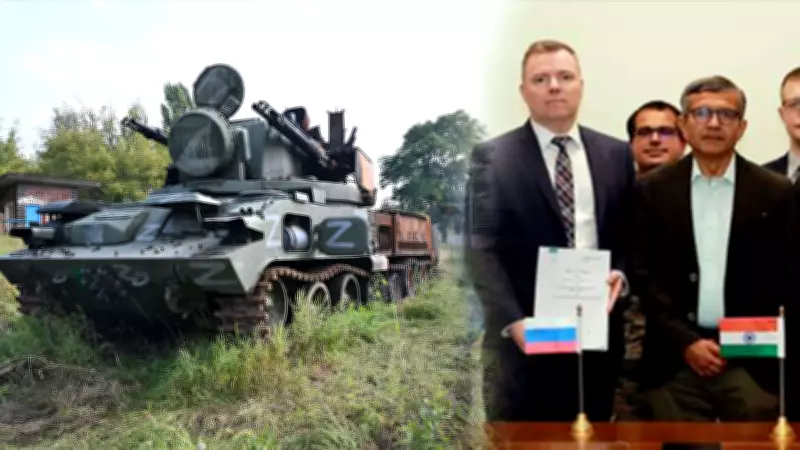
India has taken a significant step to strengthen its frontline air defence capabilities by signing a ₹445 crore contract for the Tunguska air defence missile system. This strategic acquisition, concluded with Russia's state-owned arms exporter Rosoboronexport, represents a focused effort to enhance short-range protection for ground forces against evolving aerial threats.
Comprehensive Defence Package
The Tunguska deal forms part of a broader ₹858 crore defence package that also includes crucial maintenance support for the Indian Navy's P-8I maritime patrol aircraft. This dual-component agreement demonstrates India's comprehensive approach to modernizing multiple branches of its armed forces simultaneously.
Advanced Mobile Defence Platform
The Tunguska system represents a sophisticated mobile, self-propelled air defence platform specifically engineered to protect ground forces from low-altitude threats. Its unique design integrates both surface-to-air missiles and anti-aircraft guns on a single vehicle, creating a layered defence system with rapid response capabilities.

Key capabilities of the Tunguska system include:
- Protection against drones, helicopters, aircraft, and cruise missiles
- Onboard radar and advanced tracking systems for real-time detection
- Mobile deployment capability for forward operational areas
- Simultaneous missile and gun engagement options
Addressing Modern Warfare Challenges
The acquisition comes at a critical juncture as warfare patterns undergo significant transformation. The proliferation of drones and loitering munitions has exposed vulnerabilities in traditional air defence networks, creating an urgent need for systems that can provide close-range protection at the tactical level.
"The Tunguska system is particularly relevant for forward deployments where armoured and mechanised units require continuous, mobile air defence cover," explained defence analysts. Its ability to address low-visibility and fast-moving aerial threats makes it an essential component of India's evolving defence strategy.
Strategic Implications
For the Indian Army, the Tunguska system will provide critical protection for forward-deployed units operating in dynamic combat environments. The system's mobility allows it to keep pace with advancing ground forces while maintaining continuous air defence coverage—a capability that has become increasingly important in modern asymmetric warfare scenarios.
The timing of this acquisition reflects India's proactive approach to defence modernization, particularly in response to the growing threat posed by unmanned aerial systems and precision-guided munitions that have demonstrated their effectiveness in recent conflicts worldwide.
This defence agreement with Russia continues the longstanding strategic partnership between the two nations while addressing India's immediate operational requirements for enhanced air defence capabilities along its borders and in forward operational areas.