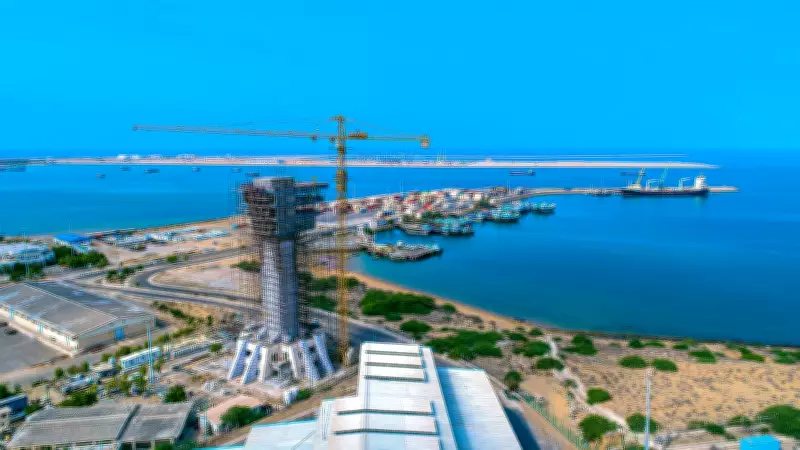
The Union Budget for the fiscal year 2026-27, presented by the Indian government, has made significant adjustments in foreign aid allocations, reflecting shifts in diplomatic priorities and strained international relations. Notably, the budget has cut funding for key projects and countries, including a complete elimination of outlay for Iran's Chabahar port and a reduction in assistance to Bangladesh.
Key Changes in External Affairs Allocations
The Ministry of External Affairs (MEA) has been allocated a total of Rs 22,118 crore in the Budget 2026-27. This represents an increase from the current fiscal year's budget estimate of Rs 20,516 crore and a revised estimate of Rs 21,742 crore. Despite this overall rise, specific allocations have been altered to address changing geopolitical dynamics.
Chabahar Port Project: Zero Allocation
In a stark departure from previous years, no funds have been allocated for the Chabahar port project in Iran. This marks a significant shift, as India had been making annual outlays of Rs 100 crore for this mega connectivity project in Iran's Sistan-Balochistan province. Last year, the budget set aside Rs 100 crore, which later rose to Rs 400 crore in the revised estimate. The decision to cut funding to zero comes amid strained bilateral ties and external pressures, including US sanctions on Iran.

It is important to note that the United States had granted India a six-month exemption from economic sanctions on the Chabahar port project, which is set to expire on April 26. This waiver has likely influenced the budgetary decision, as India navigates complex international relations and compliance with global sanctions regimes.
Bangladesh Development Assistance Halved
Another notable change is the reduction in development assistance for Bangladesh. For the next fiscal year, the allocation has been pegged at Rs 60 crore, down from Rs 120 crore in 2025-26. This halving of aid reflects ongoing tensions in bilateral relations, which have been strained in recent times. The move underscores India's recalibration of its foreign aid strategy in response to diplomatic challenges.
Other Major Allocations in the MEA Budget
Despite the cuts to Iran and Bangladesh, the budget maintains or increases support for other neighboring countries. The largest share of development aid has been allocated to Bhutan, with Rs 2,288 crore, followed by Nepal with Rs 800 crore. Additionally, Mauritius and Maldives each receive Rs 550 crore, highlighting India's continued focus on strengthening ties with key partners in the region.
Implications for India's Foreign Policy
The budgetary adjustments signal a strategic realignment in India's foreign policy approach. By eliminating funding for the Chabahar port, India may be responding to both domestic economic considerations and international pressures, such as US sanctions. Similarly, the reduction in aid to Bangladesh could be a tool to address bilateral issues, while maintaining support for other allies like Bhutan and Nepal.
These changes come at a critical juncture, as India balances its regional connectivity ambitions with global diplomatic realities. The zero allocation for Chabahar port, in particular, raises questions about the future of this project and India's role in Iran's economic development amidst ongoing geopolitical tensions.
In summary, the Budget 2026-27 reflects a nuanced approach to external affairs, with targeted cuts and allocations aimed at navigating complex international relationships. As India continues to assert its position on the global stage, these budgetary decisions will likely have far-reaching implications for its diplomatic engagements and regional influence.