India Reiterates Urgent Call for Ceasefire in Iran and Gulf Conflict
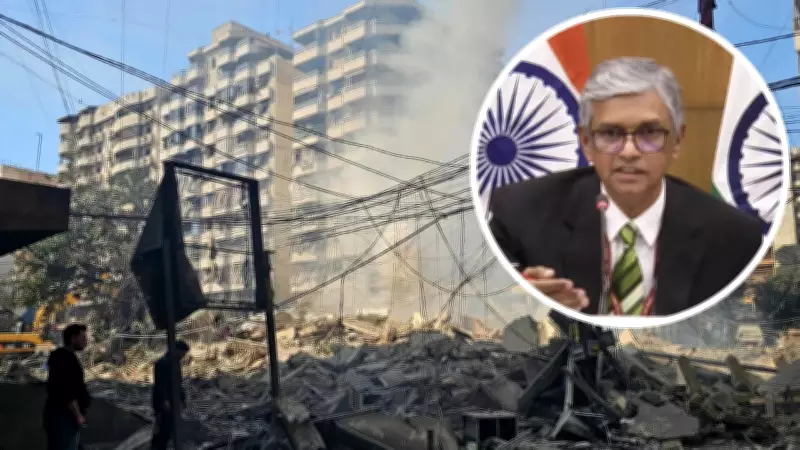
India on Tuesday strongly reiterated its appeal for an "early end to the conflict" in Iran and the broader Gulf region, voicing profound concern over the rapid escalation of hostilities and the mounting civilian casualties. The Ministry of External Affairs (MEA) emphasized that the deteriorating situation, which began on February 28, poses severe risks to regional stability, international trade, and the safety of nearly one crore Indian nationals residing and working in the Gulf.
Diplomatic Efforts and High-Level Engagements
In an official statement, the MEA declared, "India strongly reiterates its call for dialogue and diplomacy. We raise our voice clearly in favour of an early end to the conflict." The government is closely monitoring the evolving scenario and has been in active communication with regional governments as well as key international partners.
Both Prime Minister Narendra Modi and External Affairs Minister S. Jaishankar have been engaged in discussions with their counterparts to assess developments and coordinate efforts. Jaishankar shared details of his teleconference with the European Union's High Representative for Foreign Affairs and Security Policy, Kaja Kallas, focusing on the ongoing conflict in Iran and the Gulf.

Prime Minister Modi also held phone conversations with two significant leaders from the Gulf region on Tuesday:
- Sultan of Oman, His Majesty Sultan Haitham bin Tarik
- Crown Prince of Kuwait, HH Sheikh Sabah Al-Khaled Al-Hamad Al-Mubarak Al-Sabah
During these discussions, the Prime Minister expressed concern over the attacks in the respective countries and addressed the welfare and security of the Indian community living there.
Assistance to Indian Nationals and Broader Implications
The MEA statement highlighted that Indian embassies and consulates in the affected countries are actively assisting citizens on the ground. "They have also extended all possible help to those stranded by the conflict," it noted, adding that advisories and support networks are being regularly updated to ensure the safety and welfare of expatriates.
India's concerns extend beyond the welfare of its citizens. The MEA underscored grave implications for trade and energy supply chains, warning that disruptions in the Gulf could severely impact India's economy. The statement also condemned attacks on commercial vessels, following reports that some Indian crew members had been killed or gone missing in recent days.
"As a country whose nationals are prominent in the global workforce, India is also firmly opposed to attacks on merchant shipping," the ministry added.
Historical Context and Ongoing Advocacy
Recalling that India had earlier expressed "deep concern" when the conflict began on February 28, the nation underlined its previous urging for "all sides to exercise restraint, avoid escalation and prioritise the safety of civilians." The ongoing violence has only deepened its worry as the conflict has now spread to other nations during the holy month of Ramadan.
Describing itself as a "proximate neighbour with critical stakes" in the region's security and stability, India affirmed its commitment to act decisively "in the national interest" while advocating for peace and diplomacy. The government continues to emphasize the importance of dialogue to resolve the crisis and mitigate its far-reaching consequences.