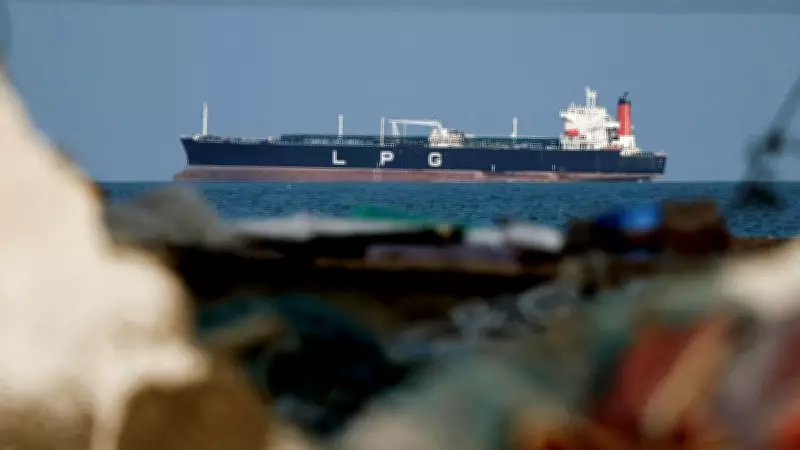
Two India-Bound LPG Tankers Successfully Transit Strait of Hormuz
In a significant development for global energy logistics, two liquefied petroleum gas (LPG) tankers destined for India have successfully crossed the strategically vital Strait of Hormuz. This maritime passage, which connects the Persian Gulf to the open ocean, is a critical artery for global oil and gas shipments. The transit occurred amidst a backdrop of heightened regional tensions and military conflict.
Regional Conflict Severely Disrupts Shipping Traffic
The ongoing military confrontation between the United States, Israel, and Iran has brought maritime commerce through the Strait of Hormuz to a near standstill. This narrow waterway, through which approximately one-fifth of the world's oil passes, has become a focal point of geopolitical instability. The conflict has created a high-risk environment for commercial vessels, leading to widespread rerouting, delays, and increased insurance premiums for ships attempting to navigate the area.
Iran Announces Conditions for Safe Passage
In a statement issued earlier this week, Iranian authorities provided a potential pathway for the resumption of some shipping activities. Iran clarified that "non-hostile vessels" may be permitted to transit the Strait of Hormuz, provided they coordinate their passage directly with Iranian naval and maritime authorities. This announcement appears to have created a narrow window of opportunity for specific commercial shipments, such as the two India-bound LPG carriers.

Implications for India's Energy Security
The successful transit of these two tankers is of particular importance to India, a major importer of energy resources. LPG is a crucial fuel for domestic cooking and industrial processes across the country. Any prolonged disruption in shipments through the Strait of Hormuz could have led to supply shortages and price volatility in the Indian market. The movement of these vessels suggests that coordinated, diplomatic efforts may allow for the continuation of essential energy trade even in conflict zones.
Analysis of the Current Maritime Landscape
The situation in the Gulf remains fluid and highly volatile. While the passage of these two tankers offers a glimmer of hope, it does not signify a normalization of shipping traffic. The requirement for coordination with Iran introduces a new layer of complexity and potential diplomatic negotiation for shipping companies and their flag states. The global shipping industry will be closely monitoring whether this model of "coordinated transit" can be reliably replicated for other vessels without escalating tensions further.
The data confirming the tankers' passage was reported by Reuters on March 28, 2026. The international community continues to watch the situation, balancing the need for secure energy supplies against the risks of navigating an active military theater.