Indian Air Force Confronts Structural Crisis as Multiple Squadrons Set to Retire
The Indian Air Force is currently facing a severe structural crisis that threatens to undermine its operational capabilities. Over the next ten years, a significant portion of the IAF's fighter fleet will reach the end of its operational life, creating a critical gap in India's air defense system.
Eleven Squadrons to Phase Out, Creating Major Capacity Shortfall
According to defense analysts, six Jaguar squadrons, three MiG-29 squadrons, and three Mirage 2000 squadrons are scheduled to retire as they complete their service life. This represents a total of eleven squadrons that will be phased out, dealing a significant blow to an air force already operating well below its sanctioned strength of 42.5 squadrons.
Even under the most optimistic replacement scenarios, the IAF will struggle to maintain even 30 squadrons in the coming years. To bridge this substantial gap and reach the sanctioned requirement, India would need to induct approximately 2 to 2.5 squadrons every year for the next decade. Current acquisition and development programs are simply not matching this required pace.

Domestic Fighter Jet Programs Face Multiple Delays
The situation is further complicated by significant delays in India's domestic fighter jet programs. Deliveries of the LCA Mk1 have stalled, while the Mk1A squadrons that were expected to be operational by now have yet to materialize in meaningful numbers. The more advanced Mk2 variant is still awaiting its crucial first flight, and the ambitious AMCA (Advanced Medium Combat Aircraft) project remains in development with key industrial decisions still pending.
These delays across multiple indigenous fighter programs have created what defense experts describe as a "perfect storm" for India's air defense capabilities.
Veteran Pilot Explains the Stark Reality of Air Power Requirements
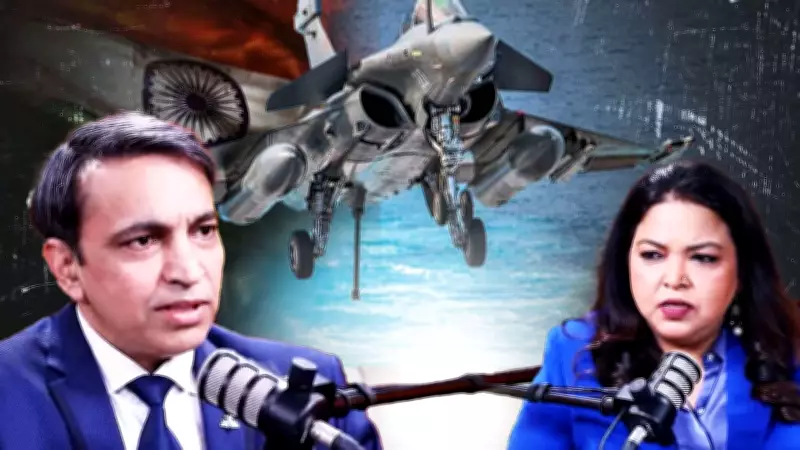
In an exclusive conversation, IAF veteran Group Captain Ajay Ahlawat (Retired) laid out the stark reality facing India's air defense establishment. According to the experienced pilot, credible deterrence requires both capability and capacity working in tandem.
"High-end platforms provide the necessary capability, while sufficient numbers provide the essential capacity," explained Gp Capt Ahlawat. "Without maintaining both elements simultaneously, any air power risks losing its credibility and effectiveness as a deterrent force."
The Rafale Dilemma: Not the Right Choice But The Only Choice
This challenging situation has led defense analysts to describe India's consideration of additional Rafale fighter jets as "not the right choice but the only choice" available in the current circumstances. With domestic programs delayed and squadron numbers dwindling, the Rafale emerges as one of the few viable options to maintain India's air power capabilities during this critical transition period.
The veteran pilot emphasized that the IAF cannot afford to wait indefinitely for indigenous solutions while its squadron strength continues to erode. The combination of retiring aircraft and delayed replacements creates an urgent need for interim solutions that can maintain operational readiness while domestic programs mature.
As India navigates this complex defense landscape, the decisions made in the coming months regarding fighter jet acquisitions will have significant implications for the country's air defense capabilities for decades to come. The balance between immediate operational needs and long-term strategic independence remains a delicate challenge for defense planners.