

China Resumes Beijing-Pyongyang Flights After Six-Year Hiatus
In a significant development for international travel and diplomatic relations, China has officially resumed direct flights between Beijing and Pyongyang. This move comes after a six-year suspension, during which North Korea maintained some of the world's strictest border controls. The resumption marks a notable easing of restrictions by the isolated regime, potentially signaling a shift in its approach to global engagement.
Background of the Flight Suspension
The Beijing-Pyongyang flight route was initially suspended in early 2020, as North Korea implemented severe border closures in response to the global COVID-19 pandemic. Over the years, these controls were extended and tightened, effectively cutting off most international travel and trade. The hiatus lasted for six years, reflecting Pyongyang's cautious and often isolationist policies aimed at preventing external influences and maintaining internal stability.
Details of the Flight Resumption
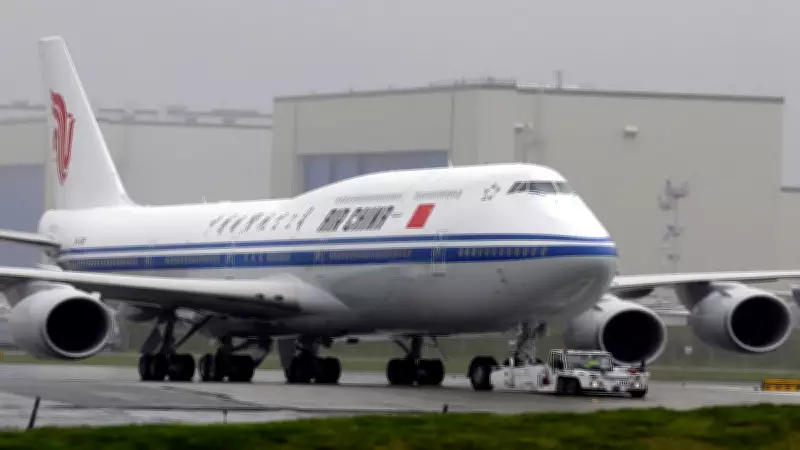
The resumed flights are operated by Air China, China's flag carrier, and connect Beijing Capital International Airport with Pyongyang Sunan International Airport. Initial reports indicate that services will be limited, with a focus on essential travel and diplomatic missions. This cautious restart suggests that North Korea is taking measured steps to reopen its borders, possibly in response to economic pressures or as part of broader geopolitical strategies.

- The flights are the first direct air link between the two capitals since 2020.
- They represent a gradual easing of North Korea's border controls, which have been among the strictest globally.
- The move could facilitate increased diplomatic and economic exchanges between China and North Korea.
Implications for North Korea's Border Policies
North Korea's decision to allow the resumption of flights is seen as a significant step in its border management. For years, the country has enforced rigid controls, including quarantines and travel bans, to limit external contact. This easing, though limited, may indicate a willingness to re-engage with the international community, albeit slowly. Analysts suggest it could be driven by economic necessities, such as the need for trade and aid, or by diplomatic efforts to reduce tensions in the region.
Observers note that this development could pave the way for further relaxations in North Korea's border policies, potentially affecting tourism and business travel in the future.Regional and Global Context
The resumption of Beijing-Pyongyang flights occurs against a backdrop of ongoing geopolitical tensions, including North Korea's nuclear ambitions and its relationships with neighboring countries. China, as North Korea's closest ally, plays a crucial role in these dynamics. By restoring air connectivity, both nations may be seeking to strengthen their bilateral ties, which have faced challenges due to international sanctions and North Korea's isolation.
Potential Impacts:- Enhanced diplomatic communication between China and North Korea.
- Possible increase in trade and humanitarian aid flows.
- A signal to the world about North Korea's gradual opening, which could influence international perceptions and policies.
In summary, the resumption of flights between Beijing and Pyongyang after six years is a noteworthy event that highlights North Korea's cautious steps toward easing border controls. While the immediate effects may be limited, it represents a potential shift in the country's engagement with the outside world, with implications for regional stability and international relations.






