

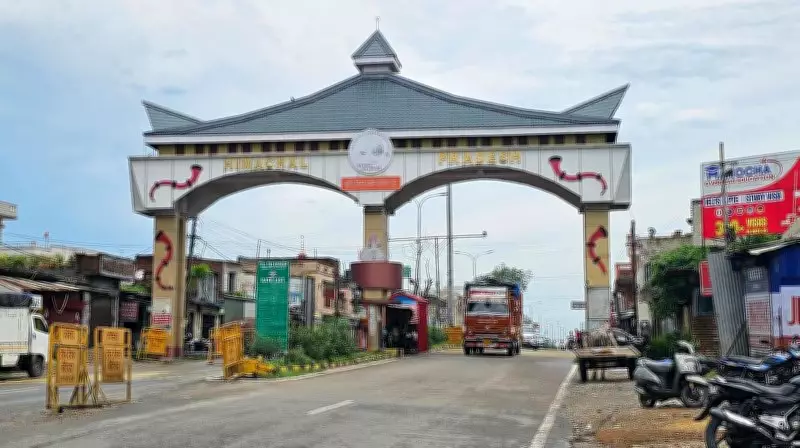
Border Tax Tiff: Tourists and Trade Caught in Policy Crossfire
The simmering entry tax dispute between Punjab and Himachal Pradesh has exposed a deeper fault line in India's federal framework, highlighting the tension between state revenue needs and the principle of seamless interstate mobility. What began as a fiscal decision—Himachal Pradesh's near doubling of entry fees for out-of-state vehicles—has quickly escalated into a political and economic flashpoint, with Punjab threatening reciprocal taxation.
Economic Repercussions for Tourism and Trade
For Himachal Pradesh, a state heavily reliant on tourism, the move appears counterintuitive. Higher entry costs risk deterring tourists, especially budget travelers from neighboring Punjab, who constitute a significant share of weekend traffic. In an already competitive tourism landscape, such price signals could push visitors toward alternative hill destinations, potentially harming Himachal's economy. The state's subsequent decision to review the hike reflects a recognition of this economic sensitivity.
Punjab's reaction, however, underscores the dangers of retaliatory policymaking. A reciprocal tax regime may satisfy political optics but would disrupt daily commuters, transporters, and small businesses that depend on fluid cross-border movement. Borders between the two states are lifelines of trade, labor mobility, and regional integration, making any disruption costly for both economies.

Broader Implications for Cooperative Federalism
At a broader level, this episode raises critical questions about the spirit of cooperative federalism in India. Our economic architecture, reinforced by the goods and services tax (GST) framework, aims to reduce internal trade barriers. Entry taxes that disproportionately target non-local vehicles risk undermining this objective, reviving a fragmented "check-post economy" reminiscent of the past. This could set a precedent for other states, leading to a patchwork of taxes that hinder national economic integration.
Call for Balanced and Rational Solutions
A more balanced approach is urgently needed. If revenue augmentation is the goal, states must explore rationalized toll systems or targeted user charges linked to infrastructure maintenance. Such measures can generate funds without disproportionately impacting interstate mobility. Dialogue, rather than brinkmanship, should guide interstate relations, fostering cooperation over confrontation.
The hills of Himachal and the plains of Punjab are economically intertwined, sharing deep cultural and commercial ties. Policies that treat neighbors as revenue sources rather than partners risk harming both, eroding the foundations of India's federal structure. It is imperative for state governments to prioritize collaborative strategies that support sustainable growth and unity.






