In a significant move for spiritual tourism, the year 2025 marked the reopening of a revered pilgrimage path. The government of China granted access to Indian pilgrims for the Kailash-Mansarovar route after a closure lasting five years. This decision has rekindled the hopes of countless devotees yearning to undertake this sacred journey.
A Long-Awaited Spiritual Passage Reopens
The Kailash-Mansarovar yatra, one of the most arduous and spiritually significant pilgrimages for Hindus, Buddhists, Jains, and Bon followers, witnessed a pivotal moment in 2025. The route through Western Tibet, managed by Chinese authorities, was made accessible to Indian nationals once again. This reopening came after a half-decade period where the journey was suspended, creating a pent-up demand among the faithful. The announcement was met with widespread relief and anticipation across India.
An Impulsive Journey to the Abode of the Gods
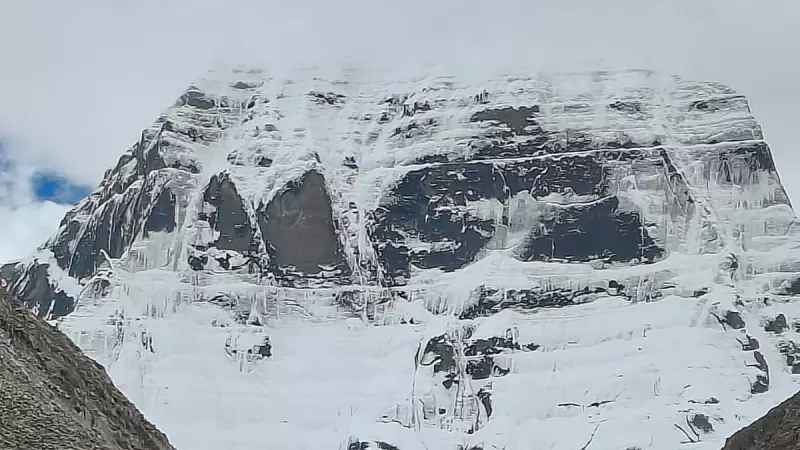
Inspired by this historic reopening, journalist Uma Kannan decided on a whim to embark on this transformative expedition. Her account, dated 10 January 2026, provides a contemporary glimpse into the experience of traversing this challenging terrain to reach Mount Kailash, believed to be the earthly manifestation of Lord Shiva's abode, and the pristine Mansarovar Lake. The journey, while physically demanding, is primarily a test of devotion and resilience, set against the stark, breathtaking landscape of the Tibetan plateau.

Implications and the Future of Pilgrimage Travel
The resumption of the Kailash-Mansarovar yatra is more than just a travel update; it signifies a thaw in cross-border cultural and religious exchanges. It allows a deep-seated spiritual tradition to continue, fostering a sense of connection and shared heritage. For the travel and tourism sector, it opens a specialized niche that combines adventure with profound religious sentiment. The move is expected to streamline processes for future pilgrims, though it will undoubtedly require careful coordination between Indian and Chinese officials to ensure safety and smooth logistics.
The personal narrative of travellers like Uma Kannan highlights the enduring allure of Mount Kailash. As the dust settles on the five-year hiatus, the path to this sacred mountain is once again trodden by seekers, fulfilling a spiritual quest that has drawn people for millennia. The reopening in 2025 stands as a testament to the pilgrimage's unbroken significance in the hearts of devotees.