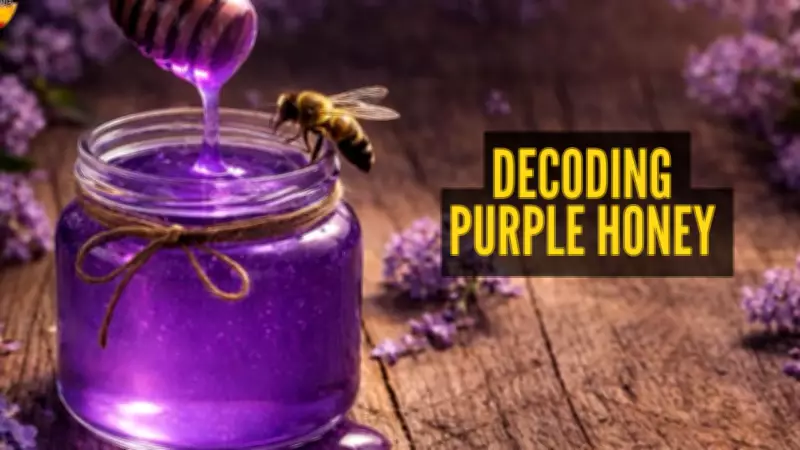
The Enigma of Purple Honey: Nature's Rare Colored Nectar
In the world of natural sweeteners, honey has long been celebrated as nature's nectar, revered in Ayurvedic traditions for its extensive health benefits. This golden to dark brown liquid has been traditionally used to address various ailments including throat congestion, asthma, digestive issues, and wound healing. However, a remarkable discovery from North Carolina has captured global attention: purple honey. This unique phenomenon first gained widespread notice in February 2023 when a jar of this unusual nectar from the Sandhills region of North Carolina became an internet sensation.
What Exactly is Purple Honey?
The discovery of purple honey became viral when images surfaced on social media platform X (formerly Twitter), showcasing a glass jar filled with dark purple liquid that immediately captured public fascination. According to social media reports, this exclusive honey originates specifically from the Sandhills of North Carolina, where local bees produce this distinctive colored honey. The original post claimed this region is the only place on Earth where such honey is found. Following the viral spread of these images, the North Carolina Department of Natural and Cultural Resources acknowledged that this culinary curiosity continues to intrigue both beekeepers and scientists, adding official recognition to this natural wonder.
The Scientific Mystery Behind the Purple Hue
The most compelling aspect of purple honey remains its mysterious coloration. According to a BBC report, scientists and experts have yet to definitively determine what causes this unique purple tint. Several theories have emerged among researchers and local experts. Some speculate that soil alkalinity might alter the honey's color, similar to how it affects hydrangea flowers changing from blue to pink. Another theory suggests wild berries in the bees' foraging territory could contribute to the coloration. The most debated theory among locals involves the deep violet flowers of the invasive kudzu vine, which some believe might be the source of the distinctive hue.

Additional expert opinions propose alternative explanations. Some researchers suggest the color might result from bees collecting nectar from aluminum-rich sources or specific plants like sourwood. Others point to southern leatherwood flowers as potential contributors to this rare coloration. Despite numerous theories, the exact mechanism behind purple honey's unique appearance remains an unsolved scientific puzzle that continues to fascinate researchers and honey enthusiasts alike.
The Extreme Rarity of Purple Honey
What makes purple honey particularly extraordinary is its unpredictable availability. According to the same BBC report, sellers cannot pre-sell this rare honey because no one can predict how much, or even if, bees will produce this plum-colored honey versus the traditional amber variety. This uncertainty adds to its mystique and value, making each jar of purple honey a truly unique natural occurrence rather than a consistently produced commodity.
Understanding Honey Varieties in the Indian Market
While purple honey represents an extreme rarity, the Indian market offers numerous honey varieties with distinct characteristics and benefits. Common types available include clover honey, known for its mild flavor; buckwheat honey with its robust taste and dark color; acacia honey prized for its clarity and mildness; and the renowned manuka honey celebrated for its medicinal properties. Other popular varieties include wildflower honey, alfalfa honey, eucalyptus honey, sage honey, lavender honey, rosemary honey, jamu honey, sourwood honey, linden honey, blueberry honey, and avocado honey. Each variety offers unique flavors and potential health benefits, though none match the visual spectacle of the mysterious purple honey from North Carolina.