For many in India, seafood is more than just a meal; it's a connection to heritage, health, and cherished memories. This sentiment rings especially true for those with coastal roots, for whom fish evokes the spirit of seafaring ancestors and family traditions, even as it serves as a mindful choice for cardiovascular well-being. The author, a former editor, finds himself consistently drawn to fish, both for its health benefits and the ease of judging its freshness compared to other meats.
A Mumbai Fish Feast, Toxicity Concerns, and Sky-High Prices
During a habitual year-end visit to Mumbai in the last week of 2025, the author embarked on a dedicated fish-eating spree across the city. This indulgence comes despite growing awareness of the Arabian Sea's pollution. However, the author adopts a pragmatic view on toxicity, recalling tests from two decades ago that revealed heavy metals like lead in fish, but also in vegetables like spinach, which is particularly adept at absorbing contaminants. The conclusion is not to single out fish in a world where urban living presents multiple risks.
The real feast began with standout dishes from top eateries. The red Thai seared rawas at Kala Ghoda Café in Mumbai, served with black rice and curry, was noted for its flaky, aromatic freshness. Tied for the top spot were the citrus-glazed salmon at Toit brewery in Bengaluru's Indiranagar and a finely seared grouper from the Christmas menu at Colaba's Mag St café in Mumbai. Another highlight was the whole steamed fish at Royal China, with the Fort, Mumbai outlet opposite CST station being the best. Their steamed Chilean sea bass, pomfret, and red snapper with ginger and spring onion come highly recommended.

The Sticker Shock of Gourmet Seafood
This gourmet experience, however, comes with a steep price tag that gives pause. The author points out that these exquisite entrées, with ever-rising costs, are primarily accessible to the top 1% or 5% of earners, making them an occasional splurge. The seared rawas and grouper slices cost over ₹1,000 each. A whole steamed pomfret is priced at ₹2,950, red snapper at ₹2,750, and Chilean sea bass at a staggering ₹3,950. This exorbitant pricing feels like a travesty, pushing the author back into his own kitchen.
The Home Kitchen Solution: Healthy, Affordable, and Flavorful
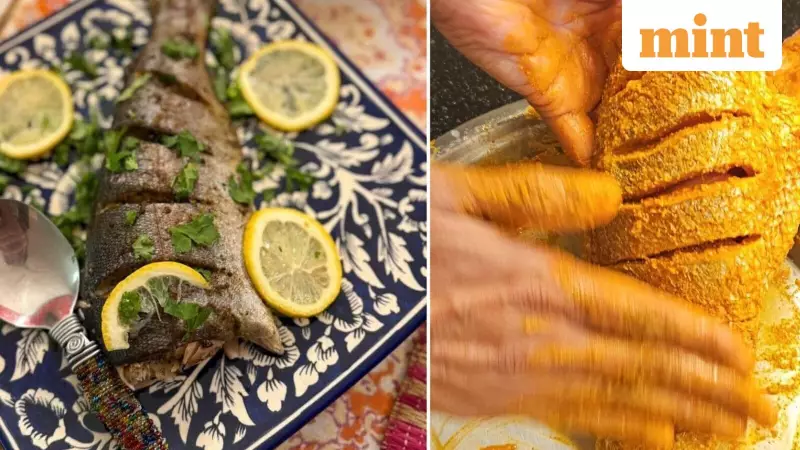
Driven by the desire for a wholesome and reasonably priced alternative, the author revisited home cooking. He notes that a home-roasted fish is often healthier than restaurant seared versions, which can be laden with oil and butter for crispiness. The process begins with sourcing—a task delegated to his vegetarian wife, who orders an 800-gram fish, typically bhetki (barramundi), from the local fishmonger with instructions to lop off the head and score the sides.
Barramundi offers the perfect blend of affordability and texture, though the author has also experimented with whole trout, a less common find in the region. The marination is versatile; Indian spices work wonderfully as they impart flavour without excessive heat when the skin is left on. For a recent barramundi, basic spices from the kitchen box sufficed. For a trout, a gifted blend called Supeq containing seaweed, sea salt, shiitake, chillies, nettle, and ginger complemented the fish's natural taste perfectly.
The Ultimate Win: Cost and Recipe
The financial argument for home cooking is compelling. The 800-gram bhetki cost ₹800, working out to roughly ₹200 per person for a meal serving four to five. This is about a tenth of the cost of dining out. The experience reaffirms that serving a healthy, delicious fish dish at home is not rocket science.
Recipe: Roasted Barramundi (Serves 4)
Ingredients:
- 800g bhetki or barramundi, descaled
- 2 tsp Kashmiri chilli powder
- 2 tsp coriander powder
- 1/2 tsp turmeric powder
- 1 tsp cumin powder
- 1 tsp ginger-garlic paste
- Juice of 1 lime or half a large lemon
- 1 tsp oil
- Salt to taste
Method:

- Wash the fish, leaving the skin on. Slash the sides to help the marinade penetrate.
- Marinate the fish thoroughly, working the spice mix into the slashes. Let it rest for at least one hour.
- Lightly oil a large strip of foil and wrap the fish in it.
- Preheat the oven to 160 degrees Celsius. Bake the wrapped fish for 35 minutes.
- Open the foil. The fish will have released water—use this liquid for basting.
- Increase the oven temperature to 200 degrees Celsius and bake for another 10–15 minutes, until the skin begins to sear. Baste frequently to prevent drying.
- The fish is done when it flakes easily off the bone.
This journey from Mumbai's high-end restaurants to the home kitchen underscores a universal truth: the love for seafood can be nurtured both through luxurious treats and simple, heartwarming home-cooked meals that honour both health and heritage without breaking the bank.