CPI(M) Reveals Second Candidate List for West Bengal Assembly Elections
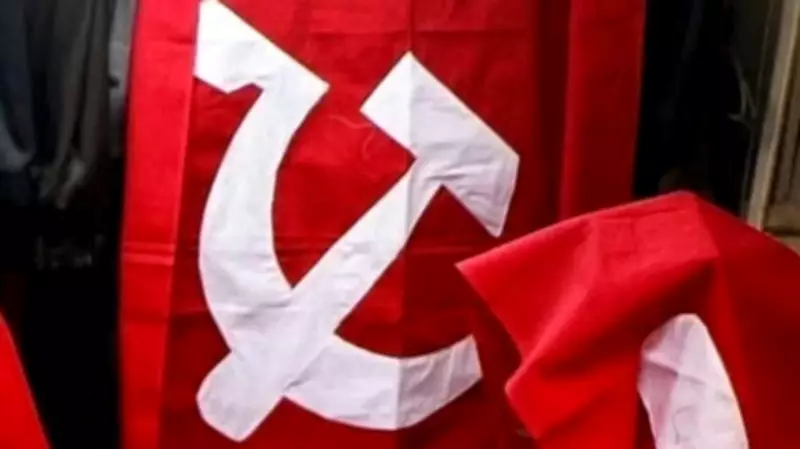
The Communist Party of India (Marxist) has officially announced its second list of candidates for the highly anticipated West Bengal Assembly elections. This latest roster includes 32 candidates who will contest seats across the state, marking a significant step in the party's electoral strategy as it prepares to compete in the 294-member legislative assembly.
Election Schedule and Key Dates
The West Bengal Assembly elections are set to be conducted in two phases. Voting will take place on April 23 and April 29, 2026, allowing voters across different constituencies to cast their ballots. Following the conclusion of the polling process, the vote counting is scheduled for May 4, 2026. This timeline sets the stage for a crucial political battle in one of India's most politically vibrant states.
Strategic Implications of the Candidate Announcement
By releasing this second list, the CPI(M) is solidifying its campaign framework and demonstrating its commitment to fielding a robust team of candidates. The party's move is seen as part of a broader effort to regain political ground in West Bengal, where it has historically been a dominant force but has faced challenges in recent years.

The announcement underscores the CPI(M)'s focus on organizational strength and voter outreach, as it aims to connect with diverse constituencies across urban and rural areas. Political analysts suggest that this candidate list could influence alliance dynamics and voter perceptions in the run-up to the elections.
Context of West Bengal's Political Landscape
West Bengal's political environment is characterized by intense competition among major parties, including the ruling Trinamool Congress, the Bharatiya Janata Party, and the Left Front led by the CPI(M). The upcoming assembly elections are pivotal, as they will determine the state's governance direction for the next five years.
Key factors shaping the electoral narrative include:
- Economic development and employment issues
- Social welfare policies and implementation
- Regional identity and cultural politics
- Alliance formations and seat-sharing agreements
As the CPI(M) rolls out its candidates, all eyes are on how its campaign will address these critical topics and resonate with the electorate. The party's performance in these elections could have lasting implications for its future in Indian politics.