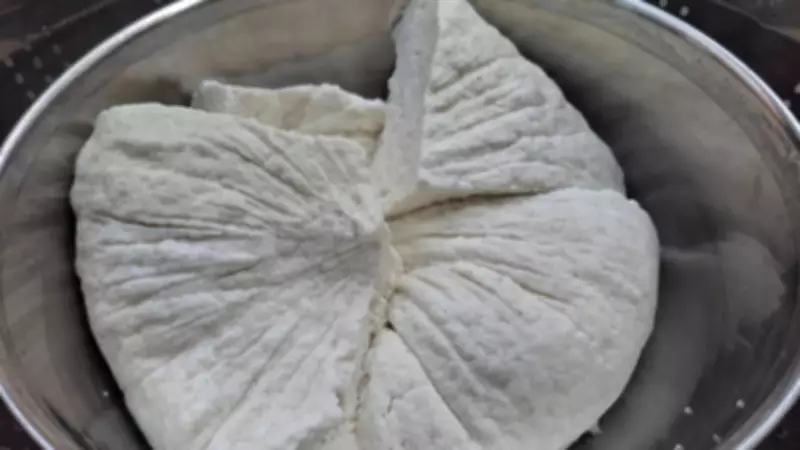
Why Homemade Paneer Turns Hard: 5 Expert Tips for Perfect Softness
Paneer, a rich source of protein, is a staple in vegetarian diets across India, prized for its versatility in dishes from palak paneer to paneer tikka. However, in recent years, concerns over adulteration in store-bought paneer have prompted many to make it at home. A common frustration among home cooks is paneer turning hard and chewy. Today, we explore the reasons behind this issue and provide five smart tips to fix it, ensuring soft, creamy paneer every time.
The Importance of Paneer and FSSAI's Focus on Dairy Safety
Paneer plays an indispensable role in balanced vegetarian meals, offering vital micronutrients and macronutrients. Due to rising adulteration cases, the Food Safety and Standards Authority of India (FSSAI) has announced a pan-India surveillance initiative. This program involves large-scale sample collection of dairy products like paneer, khoa, chenna, ghee, butter, curd, and ice cream from both organized and unorganized sectors nationwide.
The FSSAI stated: "Milk is central to our food culture, consumed fresh or as processed products. Changing lifestyles and increasing health consciousness drive demand for milk and high-value dairy items in India." This scrutiny underscores why many are turning to homemade paneer, yet challenges like hardness persist.

Why Does Homemade Paneer Turn Hard?
According to culinary experts, paneer hardness stems from two primary mistakes: over-pressing and over-heating. When paneer is pressed too hard or for too long—often an hour or more—excess moisture is squeezed out, leading to a tough texture. Similarly, continuing to boil the milk after curds separate and whey forms can overcook the paneer, making it hard.
Common errors include placing a heavy weight of 3-4 kg on the paneer for 2-4 hours or simmering the mixture post-separation. Both practices disrupt the delicate balance needed for soft paneer.
5 Smart Tips to Make Soft Paneer Every Time
Follow these expert-backed tips to avoid hard paneer and achieve a perfect, creamy consistency in your homemade batches.
Tip 1: Add Acid Slowly and Gradually
When adding acid like lemon juice or vinegar, avoid dumping it all at once after milk boils. Instead, add one teaspoon at a time, stirring gently for 4-6 seconds between additions. Continue until curds form gradually around the spoon. Stop immediately when the whey turns clear and greenish, as over-acidifying can toughen the paneer.
Tip 2: Remove from Heat Immediately After Separation
Many cooks mistakenly continue boiling the whey and curds after separation, hoping for better curdling. This is counterproductive. The key rule is to switch off the flame as soon as you see clear, greenish-yellow whey with no milky-white cloudiness. Further simmering only hardens the paneer.
Tip 3: Rinse Curds with Cold Water Post-Straining
After straining the whey, do not immediately shape the hot curds. Instead, run cold tap water over them for 15-30 seconds. This halts the cooking process, locks in a soft texture, and rinses away any residual lemon or vinegar taste, ensuring a neutral flavor.
Tip 4: Press Paneer for Only 30-40 Minutes Maximum
Pressing paneer for extended periods does not enhance quality; it often leads to hardness. Use a gentle weight and limit pressing time: 15-20 minutes for paneer intended for bhurji or salads, 30-40 minutes for curries like palak paneer or shahi paneer to help it hold shape, and up to 50 minutes for tikka or kebabs. Beyond this, paneer becomes chewy and tough.
Tip 5: Soak Pressed Paneer in Ice Water
After pressing, do not cut or cook the paneer right away. Give it an ice water soak to firm up the outer surface while keeping the interior soft and creamy. This rehydrates the outer layer, counteracting dryness from pressing and ensuring a tender bite in dishes.
Why to Avoid Refrigeration Immediately After Pressing
Refrigerating paneer right after pressing cools the entire block uniformly, firming both interior and exterior. This results in chewy paneer in final dishes. Instead, opt for the ice water soak method to maintain optimal texture.

By mastering these techniques, you can enjoy homemade paneer that rivals store-bought versions in softness and flavor, all while adhering to safety standards highlighted by FSSAI's ongoing efforts.