Is Your Rice Real? Simple Home Checks for "Plastic Rice" and 5 Recipes to Try
Concerns about "plastic rice" frequently resurface across India, often fueled by viral social media videos showing grains that appear to melt, float, or remain hard during cooking. While food safety authorities like the Food Safety and Standards Authority of India (FSSAI) and the World Health Organization (WHO) have consistently stated that widespread distribution of synthetic rice is highly unlikely due to economic impracticality, consumer vigilance remains crucial. Many viral cases are actually misinterpretations of poor-quality, aged, or heavily processed grains rather than plastic contamination.
Nevertheless, being mindful of what you consume is essential for health and peace of mind. The following home tests cannot scientifically confirm the presence of plastic, but they can help you identify spoiled, adulterated, or suspicious rice that warrants further investigation. Always remember to handle samples carefully and consult local authorities if you encounter alarming results.
Four Practical Home Tests to Check Rice Quality
These simple methods are designed to be performed in your kitchen with minimal equipment. They focus on observing the physical and chemical properties of rice grains under different conditions.

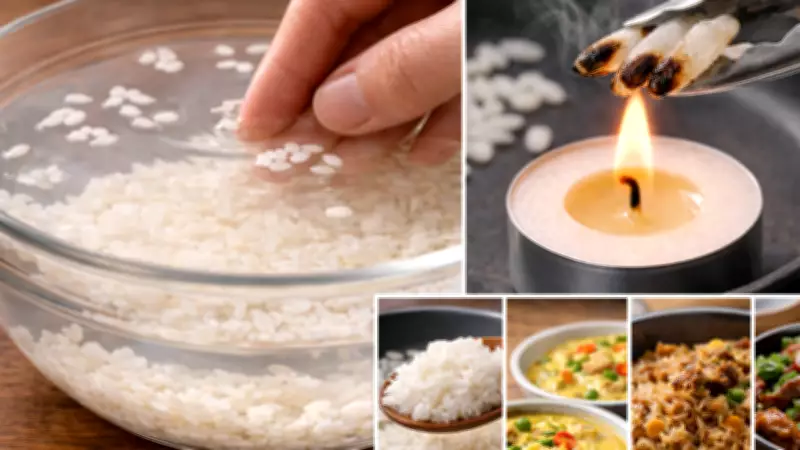
1. The Water Soak Test
Place a small handful of dry rice in a bowl of room-temperature water and swirl gently. The theory suggests that artificial grains float while genuine rice sinks due to density differences.
What Actually Happens: Most raw rice sinks naturally because it is dense. However, broken grains, extremely dry rice, or puffed kernels may float due to air pockets, which is normal. Varieties like parboiled or polished rice might behave differently compared to freshly milled grains.
How to Interpret Results:
- Mostly sinking: Indicates normal rice.
- A few floaters: Typically broken or hollow grains; simply remove them.
- Large proportion floating: Does not prove plastic content, but suggests low-grade or damaged rice that should be discarded or returned.
2. The Heat or Burn Check (Perform with Caution)
Using metal tongs, hold a few grains near a candle flame or lighter, or warm them in a dry pan. This test relies on the idea that synthetic materials react differently to heat compared to natural starch.
What Actually Happens: Authentic rice will scorch and emit a smell reminiscent of burnt starch. If grains soften into a sticky, glossy blob with a strong plastic-like odour, this is unusual and a red flag.
How to Interpret Results:
- Blackened grains with toasted aroma: Normal organic matter.
- Glossy melting with sharp synthetic smell: Do not consume; preserve the sample and report to local food authorities.
Safety Note: Ensure proper ventilation and avoid inhaling fumes during this test.
3. The Boiling and Cooking Test
Cook a small quantity of rice in plain water without oil or salt, following your usual method. Allegedly, plastic rice remains firm or forms a rubbery layer on the surface during cooking.
What Actually Happens: Rice that has been stored for extended periods or heavily milled may behave unpredictably. It might take longer to cook, release excess starch, or clump together, sometimes forming a cloudy top layer—often a sign of age or processing rather than contamination.
How to Interpret Results:
- Softens, splits slightly, smells normal: Safe to eat.
- Stays uniformly hard after extended boiling, smells odd, or appears glossy and fused: Avoid consumption and investigate further.
4. The Crush and Texture Check
After boiling, press a single grain between your fingernails or rub it against a hard surface to assess its breakdown.
What Actually Happens: Properly cooked rice usually flattens or smears as its starch softens. Undercooked grains may remain firm, and some high-amylose varieties naturally stay chewy even when fully done.
How to Interpret Results:

- Mashes or flakes easily: Normal texture.
- Springs back or resists crushing completely: Suspicious, especially if combined with odd smells or melting in the heat test.
What These Tests Can and Cannot Reveal
It is important to understand that none of these home methods can scientifically certify the presence of synthetic rice. However, they are effective in detecting:
- Spoiled or stale stock
- Excessive polishing or poor milling
- Contamination with foreign materials
- Grains that exhibit abnormal behaviour during cooking or heating
When to Take Action
If multiple tests indicate abnormalities, follow these steps:
- Do not consume the rice.
- Preserve the original packaging and a small sample.
- Report the issue to your local food-safety office or consumer helpline, such as those operated by FSSAI.
- Purchase rice from trusted brands and retailers, check manufacturing dates, and store it in dry, airtight containers to prevent spoilage that can mimic fake characteristics.
5 Tasty Rice Dishes to Prepare Once Your Grains Pass the Checks
If your rice looks, smells, and cooks normally, celebrate by preparing these simple and comforting Indian dishes. Each recipe is designed to highlight the natural flavours of quality rice.
1. Jeera Rice
Thoroughly wash basmati rice and soak for 20 minutes. Heat ghee in a pan, add cumin seeds until fragrant, then stir in drained rice and salt. Add water, cover, and simmer until fluffy. Garnish with fresh coriander. This aromatic dish pairs beautifully with dal or paneer curry, accompanied by a refreshing bowl of cucumber raita.
2. Vegetable Pulao
Rinse rice well. Sauté bay leaf, cloves, cinnamon, and onions in oil; add ginger-garlic paste, chopped vegetables, and garam masala. Stir in rice and water, then cook covered until tender. Serve hot for a satisfying lunch, complemented by plain yogurt or a quick onion salad.
3. Lemon Rice
Cook rice separately and allow it to cool slightly. Heat oil with mustard seeds, curry leaves, peanuts, and turmeric. Gently fold in the rice, salt, and ample fresh lemon juice. Top with coriander. For added colour and crunch, mix in grated carrot, and serve with crispy papad for contrast.
4. Curd Rice
Let freshly cooked rice cool a bit, then mash lightly with yoghurt, salt, and a splash of milk. Temper mustard seeds, ginger, green chilli, and curry leaves in oil and pour over the mixture. Finish with a handful of pomegranate seeds for sweetness and crunch. Serve chilled for maximum comfort, especially during warm weather.
5. Simple Tomato Rice
Wash rice and set aside. Cook chopped tomatoes with onions, ginger-garlic, chilli powder, and cumin until they form a pulpy consistency. Add rice and water, simmer until absorbed, then fluff and serve hot. Garnish with coriander and a squeeze of lemon, pairing it with raita or a crisp salad for a balanced meal.
By combining vigilance with culinary creativity, you can ensure both safety and enjoyment in your daily meals. Always prioritize purchasing from reputable sources and stay informed through official food safety guidelines.