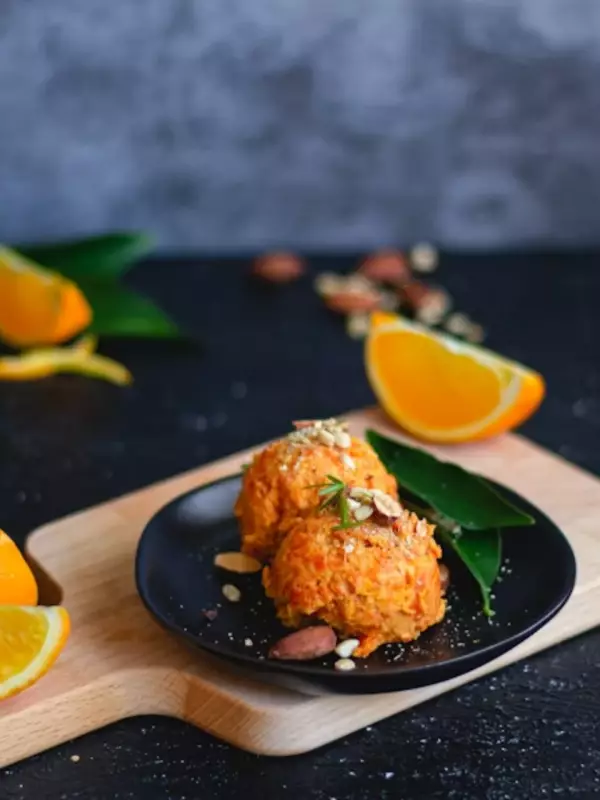
As the winter chill sets in across India, the culinary landscape warmly embraces a host of comforting and nourishing sweets. Among these, halwa holds a place of pride, a versatile dessert that varies from region to region, each with its own story and soul-warming properties. This season, it's time to go beyond the familiar and explore the rich tapestry of halwa varieties that Indian cuisine has to offer.
A Sweet Journey Through Regional Delicacies
The beauty of Indian halwa lies in its incredible diversity. Made from a range of base ingredients like vegetables, lentils, grains, and fruits, these desserts are more than just a treat; they are often packed with nutrients ideal for the colder months. Let's delve into some of the most iconic varieties you should consider adding to your winter menu.
Gajar ka Halwa, arguably the king of winter sweets, needs little introduction. This vibrant dessert from North India is crafted from grated red carrots, slow-cooked in milk and ghee, and generously studded with nuts and cardamom. Its rich, creamy texture and deep flavour are synonymous with festive celebrations and cozy evenings.

Another classic is the humble yet irresistible Sooji ka Halwa (Semolina Halwa). A staple in many households, it is often prepared as a religious offering (prasad) or a quick, satisfying sweet. Roasted semolina is combined with ghee, sugar, and water or milk, resulting in a fragrant, fluffy delight that is both simple and sublime.
Nutrient-Rich and Flavour-Packed Halwas
Moving beyond the common favourites, several halwas are celebrated not just for taste but also for their health benefits. Moong Dal Halwa is a winter superstar, especially in Rajasthan and Gujarat. Made from soaked and ground yellow lentils, it is a labor of love involving continuous stirring in copious amounts of ghee. The result is a decadent, melt-in-the-mouth halwa that is surprisingly nutritious.
Then there's Lauki ka Halwa (Bottle Gourd Halwa), a clever and delicious way to incorporate this watery vegetable into a dessert. Grated bottle gourd is cooked down with milk, sugar, and ghee until it transforms into a moist, delicate sweet, often garnished with khoya and nuts. It's a testament to the ingenuity of Indian cooking.
For a fruity twist, Kesari Banana Halwa from South India is a must-try. Ripe bananas are mashed and cooked with ghee, sugar, and a hint of saffron (kesar), creating a naturally sweet and aromatic dish with a beautiful yellow hue.
Unique and Lesser-Known Treasures
The halwa repertoire extends to some unique regional specialties. Ande ka Halwa (Egg Halwa) from Uttar Pradesh might sound unusual, but it is a rich, fudge-like delicacy where eggs are whisked and cooked slowly with ghee, milk, and sugar until thick and granular.
Kaddu ka Halwa (Pumpkin Halwa) is another winter-special halwa where red pumpkin is grated and cooked with milk, khoya, and dry fruits. It has a distinct, mildly sweet flavour and a lovely orange colour, making it a festive favourite in many communities.
Lastly, Cholar Dal Halwa showcases the culinary prowess of Bengal, but in a sweet avatar. Chana dal (Bengal gram) is soaked, ground, and cooked with ghee, sugar, and coconut to create a dense, flavorful halwa that is often associated with weddings and special occasions.
Embracing Winter with Every Spoonful
Each of these eight halwa varieties offers a unique window into India's regional food cultures. They are more than mere desserts; they are edible traditions passed down through generations, meant to provide warmth, energy, and joy during the winter season. The common threads running through them are the use of seasonal produce, the patience required in their preparation, and the generous use of ghee and nuts which are considered beneficial for the body in cold weather.
This winter, why not embark on a sweet exploration? Whether you stick to the classic Gajar ka Halwa or venture into making the elaborate Moong Dal Halwa, each spoonful promises a taste of tradition and comfort. These halwas are perfect for family gatherings, festive celebrations, or simply as a nourishing treat to enjoy by yourself on a chilly day.