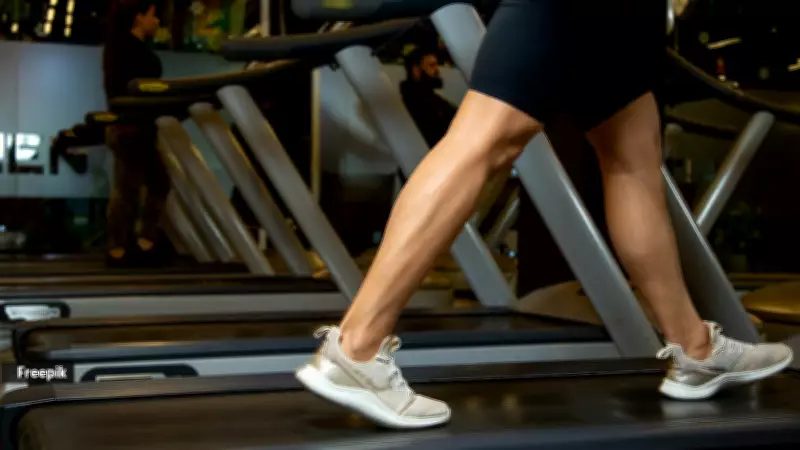
Treadmill Fat Loss: Expert Reveals 10-12% Incline Walking Method for Effective Results
When pursuing fat loss, many individuals instinctively turn to running or high-intensity interval training. However, emerging insights from cardiovascular research suggest a more sustainable and accessible approach might be found in the precise adjustment of your treadmill settings. James DiNicolantonio, a noted cardiovascular research scientist, proposes that walking with specific incline and speed parameters could be one of the most effective strategies for shedding fat consistently.
The Science Behind Incline Walking for Fat Reduction
Instead of engaging in strenuous sprinting sessions, the key to efficient fat loss may reside in calibrating the treadmill for steady, controlled movement. According to expert recommendations, setting the treadmill at a 10-12% incline and maintaining a walking speed of 2-4 miles per hour for durations of 30 to 60 minutes, performed three times per week, can significantly accelerate fat loss. This method challenges the body intensively while remaining accessible to a broad demographic.
Walking at an incline substantially increases workout intensity by engaging major muscle groups more comprehensively. However, the efficacy of this approach and its suitability vary based on individual factors such as fitness levels, age, and pre-existing health conditions. To validate the effectiveness of this fat loss technique, we consulted medical professionals for deeper insights.

How Incline Walking Specifically Promotes Fat Loss
Dr. Raj Kumar, Senior Consultant in Non-invasive Cardiology at PSRI Hospital, elaborates on the physiological benefits. "Walking at an incline challenges the body more than walking on a flat surface because it forces the muscles of the legs, glutes, and core to work harder. This increases calorie burn without requiring high speed," he explains.
"At a steady pace of 2-4 mph, the body stays in a fat-burning zone, meaning it uses fat as the primary source of energy rather than carbohydrates. Compared to running, incline walking has a lower impact on the joints while still being effective for fat loss, making it sustainable for many people over time."
Potential Risks and Important Precautions
While incline walking offers numerous benefits, it is not without risks. Dr. Kumar cautions, "Yes, incline walking is more demanding on the cardiovascular system and leg muscles, so beginners should start with a lower incline and gradually progress. People with heart disease, uncontrolled blood pressure, or joint problems like arthritis should consult a doctor before attempting this exercise."
Overuse or sudden implementation of high intensity can lead to adverse effects such as muscle soreness, shin splints, or knee strain. Essential precautions include:
- Using proper footwear to support the feet and ankles
- Maintaining good posture throughout the exercise
- Avoiding constant grip on the treadmill handles, as this reduces effectiveness and may cause imbalance
Integrating Incline Walking with Diet and Other Exercises
For optimal fat loss results, incline walking should be part of a holistic wellness strategy. Dr. Kumar emphasizes, "Incline walking works best when combined with a balanced approach. A healthy diet with controlled calories, sufficient protein, and reduced processed foods is essential."
He further recommends:
- Incorporating strength training two to three times weekly to preserve muscle mass and boost metabolism
- Adding light activities like yoga or stretching to support recovery and flexibility
- Maintaining consistency by aiming for 30–45 minutes of incline walking most days of the week
"Consistency is key — aiming for 30–45 minutes of incline walking most days of the week, along with mindful eating, will produce better long-term fat loss results than relying on exercise alone," concludes Dr. Kumar.
Disclaimer: This article synthesizes information from public domain sources and expert consultations. It is imperative to consult with a qualified healthcare practitioner before initiating any new exercise routine, particularly if you have underlying health conditions.