The Spiritual Reason Why You Shouldn't Ring the Temple Bell When Exiting
In countless Hindu temples spread across India, the resonant chime of a bell often serves as the initial auditory greeting for devotees. This deep, echoing sound permeates the sanctum, effectively cutting through the external world's clamor and marking a profound transition from the mundane to the sacred. For generations, the act of ringing the temple bell has been revered as a devotional gesture, a simple yet meaningful practice that readies the mind for prayer. However, embedded within temple traditions is a subtle instruction that many visitors inadvertently overlook: the bell is intended to be rung solely upon entering the temple, not when departing. Although this custom may not be explicitly displayed on temple walls, it is deeply ingrained in ritual practices and spiritual symbolism. Comprehending the rationale behind this tradition unveils profound insights into how Hindu worship emphasizes attention, presence, and the art of departure.
The Bell as an Invitation to Heightened Awareness
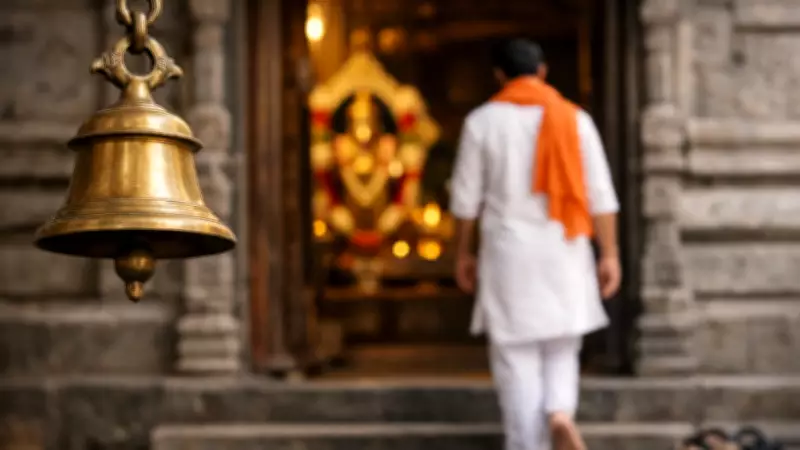
In Hindu temples, bells are typically positioned near the entrance or just before the inner sanctum. Devotees gently ring them prior to offering their prayers. This action transcends mere symbolic noise; it carries significant spiritual meaning rooted in ancient philosophical teachings. The ringing of the bell is believed to produce a sound that mirrors "Om," the primordial vibration detailed in Hindu scriptures. According to many traditions, this sound is thought to cleanse the mind of distractions and awaken spiritual consciousness. When a devotee rings the bell upon entering, it functions as a declaration: I am here, fully present and prepared to connect with the divine.
This moment serves as both a psychological and spiritual transition. The daily noise of life, including worries about work, family responsibilities, and personal concerns, is momentarily set aside. The bell acts as a gentle signal to the mind, indicating that this is a sacred space where attention should now turn inward.

Why the Bell is Not Rung While Leaving the Temple
If ringing the bell signifies the commencement of worship, exiting the temple embodies a different emotional tone—one of quiet reflection. Numerous temple traditions discourage ringing the bell during departure because the devotee has already completed the act of prayer. The bell's purpose has been fulfilled; sounding it again would symbolically restart the ritual cycle rather than conclude it. Instead, departure is meant to be a calm and contemplative experience.
After offering prayers, devotees often pause, bow once more, or sit quietly for a few moments before stepping outside. This period allows the spiritual experience to settle within the mind. Walking out in silence reflects gratitude and humility, rather than making an announcement. Ringing the bell at that moment would disrupt the meditative closure of the visit.
The Concept of "Carrying the Blessing"
Another nuanced idea underpinning this custom relates to how blessings are perceived in Hindu ritual practice. When devotees leave the temple after darshan, the sacred act of seeing the deity, they are believed to carry divine grace with them. Consequently, the moment of departure is treated with gentleness and respect. Silence aids in preserving that sense of sanctity.
Many priests elucidate that the temple's energy is something one absorbs quietly. Just as a lamp's flame is shielded from the wind, the calm state of mind cultivated during worship is meant to be carried outward without disturbance. In this context, not ringing the bell becomes a method of protecting the spiritual state you have just received.
The Rhythm of Ritual Practice
Hindu rituals frequently follow a deliberate rhythm: arrival, invocation, offering, gratitude, and departure. Each stage possesses its own gestures and sounds. The bell belongs to the invocation phase, the stage when the devotee calls attention to the divine presence and prepares for worship. Once the prayer is concluded, the ritual naturally progresses toward stillness. Silence becomes an integral part of the closing act.

Many traditional temple-goers instinctively adhere to this rhythm. They ring the bell once while entering, fold their hands in reverence before the deity, and walk out quietly after receiving prasad. Over time, these gestures become second nature, passed down through observation rather than formal instruction, quietly symbolizing the transition from the noise of the external world to the stillness of devotion within.
Variations Across Different Temples
Similar to many aspects of Hindu practice, customs can vary between temples and regions. Some temples may not strictly enforce this tradition, and visitors unfamiliar with the etiquette might ring the bell while leaving without grasping the symbolic meaning behind it. Priests generally approach such moments with understanding. The objective of temple etiquette is not to impose rigid rules but to preserve the spiritual atmosphere of the space. Ultimately, the intention behind worship holds the greatest importance.
Nevertheless, understanding the deeper reasoning behind these small customs assists devotees in experiencing temples more thoughtfully. Rituals that may appear simple on the surface often carry layers of philosophical meaning shaped over centuries.
The Quiet Lesson Embedded in the Custom
Ultimately, the tradition of not ringing the bell while exiting reflects a broader concept within Hindu spirituality: genuine devotion does not conclude at the temple door. The bell awakens the mind at the beginning of prayer. However, when worship is complete, the ensuing silence gently helps devotees recognize that the calm and awareness cultivated inside the temple should persist beyond its walls. And sometimes, the most powerful sound of all is the quiet one we carry within ourselves.