The Sacred Tulsi Water Ritual: A Daily Practice for Divine Alignment
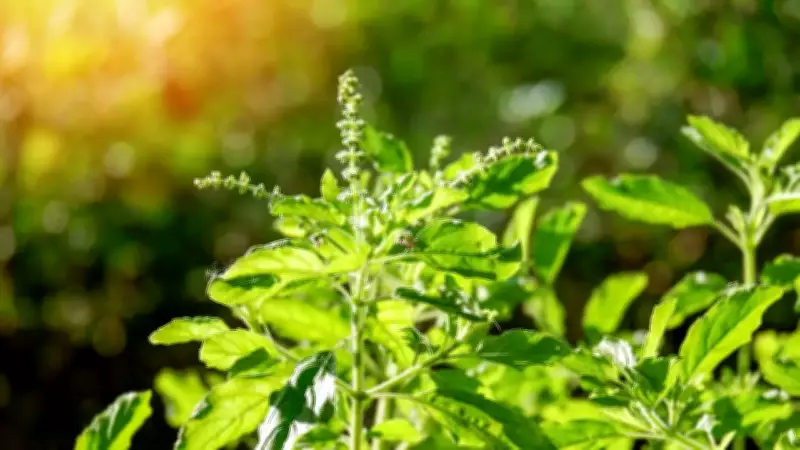
In countless traditional Hindu households across India, the morning ritual of offering water to the revered Tulsi plant, also known as Holy Basil, is a timeless spiritual practice. This sacred act, performed after bathing and wearing clean attire, is deeply rooted in ancient Vedic traditions. It is believed to cleanse negative energies, foster domestic harmony, and create a protective aura around the home. The Tulsi plant is venerated as Vrinda Devi, an embodiment of purity, protection, and divine grace in Hindu scriptures.
Why Chanting Mantras Enhances the Tulsi Offering
According to Vedic texts, the simple act of watering Tulsi can be profoundly amplified through the chanting of specific mantras. This practice, known as mantra shakti, infuses the ritual with spiritual power, transforming it from a routine offering into a deep sadhana—a disciplined spiritual practice. The vibrations generated by these sacred sounds are said to align with divine energies, particularly attracting the blessings of Goddess Lakshmi, the deity of wealth and prosperity. This alignment helps dissolve financial obstacles, known as daridra dosha, and elevates sattvic qualities, promoting peace and abundance.
Key Mantras to Chant During the Tulsi Water Ritual
Om Subhadrayai Namah (ॐ सुभद्रायै नमः)

This powerful bija mantra honors Tulsi as Goddess Subhadra, the auspicious form of divine grace. Chanting this mantra while offering water is believed to invoke Lakshmi's blessings directly, ushering in financial abundance and removing barriers to prosperity. The vibration of "Subhadrayai" works to purify the environment, elevate spiritual consciousness, and create a protective shield that ensures household wealth, as detailed in ancient texts like the Tulsi Stotra.
Om Vrindayai Namah (ॐ वृन्दायै नमः)
Dedicated to Vrinda Devi, the eternal form of holy Tulsi, this mantra is often chanted during pradakshina—the act of circumambulating the plant while offering water. It is said to harmonize the five elements (pancha bhutas), purify the soul from past sins, and strengthen devotion to Lord Vishnu. This practice not only cleanses negative karma but also fosters a deep spiritual connection, enhancing overall well-being and devotion.
Mahaprasada Janani Sarva Saubhagyavardhini
Recite this shloka from the Tulsi Stotram three times while visualizing radiant light emanating from the Tulsi plant during the water offering. This verse praises Tulsi as the mother of divine grace and the remover of all afflictions. The rhythmic chanting is believed to balance bodily doshas, cure diseases (vyadhi har), boost fortune (saubhagyavardhini), and invite the benevolent presence of Vishnu and Lakshmi. This creates an atmosphere of perpetual peace, spiritual elevation, and holistic health.
The Transformative Power of This Ancient Practice
Integrating these mantras into the daily Tulsi water ritual elevates it from a simple cultural tradition to a transformative spiritual exercise. By aligning personal vibrations with cosmic energies, practitioners can experience enhanced mental clarity, physical health, and financial stability. This practice underscores the holistic approach of Vedic wisdom, where mundane acts are imbued with profound spiritual significance, leading to wealth, health, and inner peace.