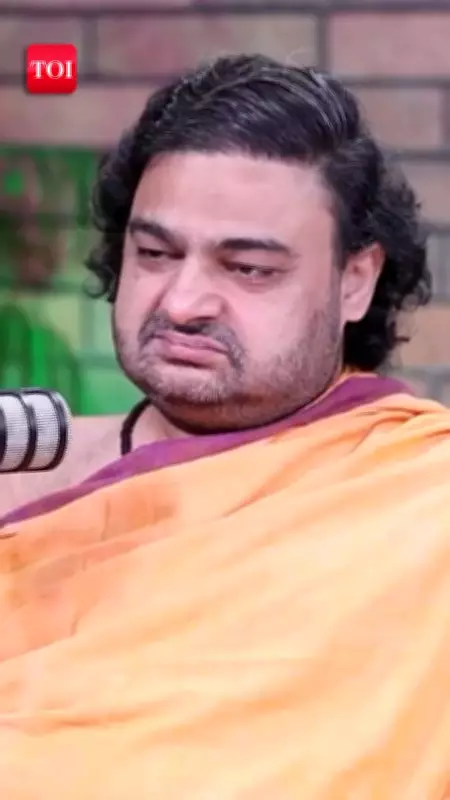
Swami Dipankar Clarifies Caste Origins: Varna vs. Birth in Sanatan Dharma
In a profound and enlightening episode of Times Mantra, spiritual leader Swami Dipankar delves into one of the most contentious and debated questions in Indian society: Why are we divided by caste? This discussion challenges long-held assumptions and invites a deeper exploration of historical and spiritual truths.
Re-examining the Roots of Social Division
Swami Dipankar addresses the core inquiry: Did Sanatan Dharma truly create the caste system based on birth, or has history been misinterpreted over centuries? Through meticulous analysis, he presents evidence that the original framework was not about rigid hereditary divisions but rather a dynamic structure focused on individual qualities and societal roles.
By referencing ancient scriptures and philosophical texts, Swami Dipankar explains that the Varna system was conceptualized as a means to organize society based on guna (qualities) and karma (duties), rather than birthright. This perspective highlights how the system aimed to promote harmony and efficiency by aligning people with their innate strengths and responsibilities.

Historical Evolution and Misinterpretations
The episode sheds light on how social divisions evolved over time, often deviating from the original teachings. Swami Dipankar provides historical context, illustrating how external influences, political changes, and social transformations led to the rigidification of the Varna system into the caste hierarchy we see today.
He emphasizes that the true essence of Sanatan Dharma advocates for unity, dharma, and individual karma, principles that transcend birth-based classifications. This spiritual viewpoint encourages a reevaluation of commonly held beliefs, urging viewers to look beyond superficial divisions and understand the deeper, unifying philosophy.
Key Insights from the Discussion
- The Varna system was originally based on qualities and duties, not birth.
- Scriptural references support a flexible and merit-based social structure.
- Historical events and misinterpretations contributed to the evolution of rigid caste divisions.
- Sanatan Dharma's core teachings emphasize spiritual unity and personal responsibility.
- This perspective invites a rethink of traditional views on caste and social hierarchy.
This thought-provoking episode not only clarifies misconceptions but also fosters a broader understanding of India's spiritual heritage. By exploring the philosophical underpinnings of the Varna system, Swami Dipankar offers a pathway to reconcile historical truths with contemporary social issues, promoting a more inclusive and enlightened discourse.