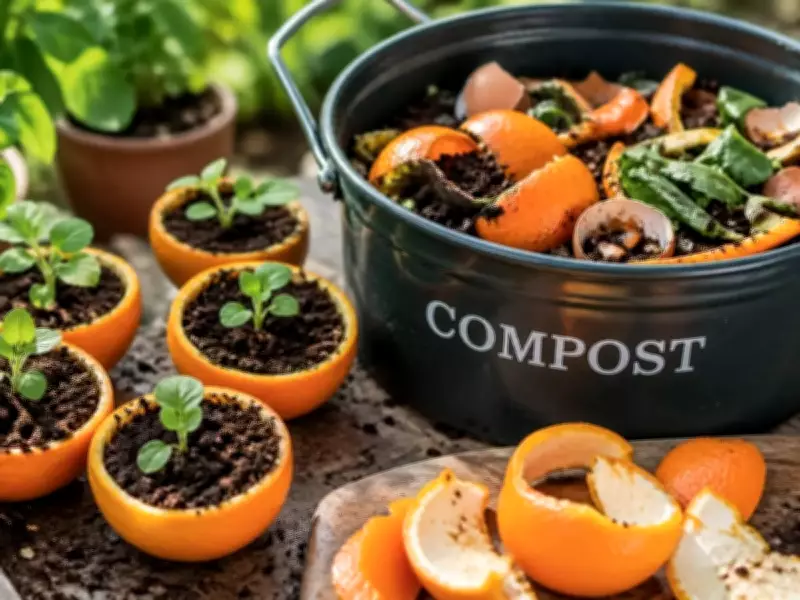
Oranges have become a breakfast staple, prized for their high vitamin C content and sweet flavor. However, many people discard the peels after enjoying the fruit. According to the Journal of Molecular Liquids, orange peels constitute approximately 40 to 50 percent of the total fruit weight and are primarily considered a major industrial waste byproduct. The good news is that these peels are now increasingly recognized as a valuable resource for landfill diversion and composting.
Simple Ways to Use Orange Peels for Better Plant Health
The outer covering of oranges is often thrown away without much thought. Nevertheless, these peels can be used for several applications to boost the overall health of gardens. Researchers have noted that proper utilization of orange peels not only adds value but also improves plant health without the use of chemicals.
Studies show that citrus peels contain essential nutrients, including nitrogen, phosphorus, and potassium, which are required for plant growth and development. During decomposition, these nutrients gradually break down and are absorbed into the soil.

Gardening experts claim that orange peels contain a compound called d-limonene, extracted from citrus oils. This compound is capable of repelling insects due to its properties.
Use Orange Peels to Make Compost
According to a study published in Compost Science & Utilization, one of the easiest methods of using orange peels is by preparing compost from them. The peels should be allowed to dry thoroughly before chopping or grinding into smaller pieces. This will help in faster decomposition.
However, it is important to use the peels in moderation, as too many can make the soil acidic. Additionally, ensure you use organic orange peels to avoid introducing chemicals into your soil. Research also suggests combining citrus peels with other greens to enhance faster absorption by the soil.
Create a Natural Ant Repellent
The use of orange peels helps prevent ants from invading your garden because they find it difficult to move around areas with a strong citrus odor. The d-limonene compound acts as a natural repellent for ants.
To create this natural ant repellent, dry the orange peels and then crush them into a fine powder. Spread the powder on garden beds, ant entrance points, or wherever you find ants. Ensure you refresh the ant repellent powder often to retain its effectiveness. You must reapply the spray after rain or strong winds, as it will eventually wear off or dissipate due to weather conditions.
Make a Biodegradable Seed Starter
Hollowed-out orange peels also make great seed starters because you can plant seeds directly in them. The process involves slicing an orange open, removing its contents, and filling it with soil before planting seeds. As the peel decomposes, it provides essential nutrients to developing seedlings. Once the plants develop several leaves, you can plant the entire plant, including the peel, without causing any damage to the root system.
Use Orange Peel Spray Against Aphids
Aphids are one of the most common pests encountered by gardeners. A natural and efficient way to deal with them is an orange peel spray. The first step is to put orange peels into boiling water and let the mixture sit for some time. Then add a few drops of dish soap to the water before transferring the mixture into a spray bottle. It should be applied to the leaves and stems of plants, paying attention to the undersides of leaves where aphids are usually found. The dish soap will help it adhere to the leaves, and the citrus scent will help keep pests away.
Reusing Orange Peels: A Small Step Towards Sustainable Gardening
Using orange peels in the garden is a convenient way to solve several problems. First, it reduces household waste, and second, it promotes plant growth. Although it does not solve all issues related to gardening, it is a great example of natural ways to improve soil quality and eliminate pests.