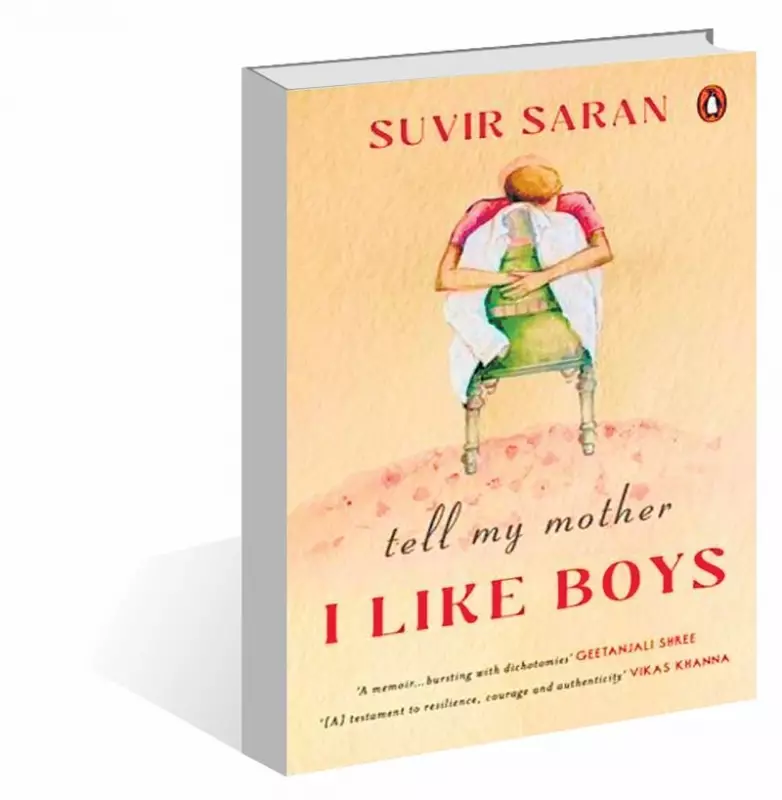
In the world of gastronomy, where recipes often take center stage, a new book serves a deeply personal story alongside its flavors. Chef Suvir Saran's memoir, Tell My Mother I Like Boys, emerges not just as a tale from the kitchen but as a poignant narrative of self-discovery, family, and acceptance. Published by Penguin Random House India, this work transcends the typical chef's chronicle, offering readers a slow, savouring read of a life lived authentically both inside and outside the culinary realm.
A Recipe Blending Personal and Professional Life
The book's foundation is built on two powerful pillars: Saran's profound love for food and his journey as a gay man navigating societal and familial expectations. The title itself is a brave declaration, pointing to the central emotional conflict of revealing one's true self to a loved one. Saran, an acclaimed chef who brought Indian cuisine to global prominence through his New York restaurant, Devi, and his role as a culinary ambassador, now shares the raw ingredients of his own life.
He meticulously details his upbringing in a traditional Indian family, where certain topics remained unspoken. The narrative explores the tension between his private identity and his public persona as a successful chef. The kitchen becomes more than a workplace; it transforms into a sanctuary for expression and a metaphor for blending diverse elements into a harmonious whole. Readers are taken through his early fascination with food, his culinary training, and the eventual rise to fame, all interwoven with the parallel narrative of coming to terms with his sexuality.

The Flavor of Resilience and Success
Saran's professional path is marked by significant milestones that the book captures with vivid detail. His restaurant, Devi, earned a Michelin star, a rare and prestigious honor that placed him among the culinary elite. This achievement was not just personal but a landmark for Indian cuisine on the world stage. Furthermore, his contribution as a consultant for the American embassy in New Delhi highlights his role as a cultural diplomat, using food as a bridge between nations.
The memoir does not shy away from the challenges either. It recounts the severe health crisis in 2016 that left him partially paralyzed—a turning point that forced a reevaluation of life and priorities. His recovery and resilience add a powerful layer to his story, showcasing a fight for physical and personal freedom. Through these episodes, Saran illustrates how life's bitter and sweet moments combine to shape one's destiny, much like the complex spices in an Indian dish.
A Universal Story of Seeking Acceptance
At its heart, Tell My Mother I Like Boys is a universal story about the human yearning for acceptance and the courage it takes to live truthfully. Saran's journey from silence to speaking his truth is a narrative that resonates far beyond the LGBTQ+ community, touching anyone who has ever felt the need to hide a part of themselves. The act of finally "telling his mother" symbolizes the ultimate step towards self-acceptance and the hope for familial love in its truest form.
The writing style is reflective and immersive, inviting readers to linger on passages rather than rush through. It is this quality that makes the book a "slow-savouring read." Saran uses the sensory richness of food—the aroma of spices, the texture of dough, the taste of a perfected dish—as a literary device to explore memory, emotion, and identity. The prose is as much about the love for ingredients as it is about the ingredients of love and identity.
Ultimately, Suvir Saran's memoir is a significant addition to contemporary Indian literature. It breaks new ground by seamlessly merging a professional success story with an intimate personal revelation. It challenges stereotypes, celebrates authenticity, and reminds us that the most fulfilling meals—and lives—are those prepared with honesty and heart. The book is available for readers to explore, promising a journey that is as nourishing for the soul as it is evocative for the palate.