As the clock ticked towards midnight on New Year's Eve, an unexpected item flew off the shelves across markets in India: green grapes. Shoppers scrambled to find them, driven by a rapidly spreading Spanish custom that promises luck for the coming year. The demand was so intense that many returned home empty-handed, highlighting how quickly global trends are taking root in the country.
The Rush for Luck: A Market Frenzy
The craze centers on the Spanish tradition known as las doce uvas de la suerte, or the twelve lucky grapes. The ritual involves eating one grape with each of the twelve bell strikes at midnight, symbolizing hopes for good fortune in each month of the new year. This simple act created an unprecedented demand for a specific fruit on the last day of the year.
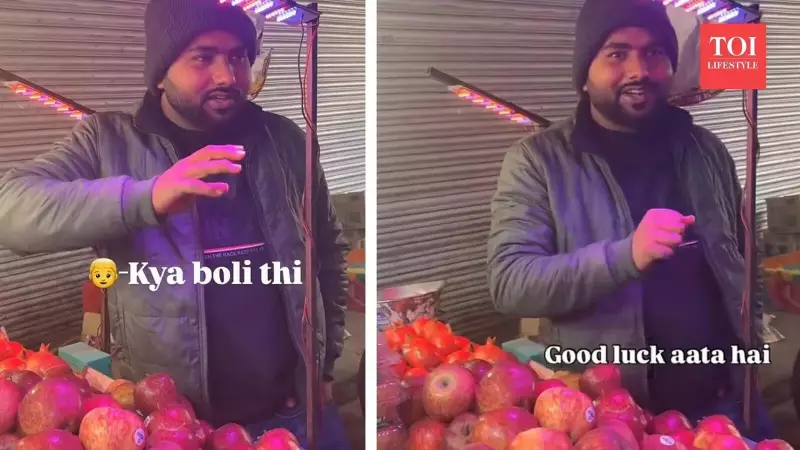
A market shopkeeper vividly described the chaos at his store. He recounted customers explaining the belief: "after 12 am, eating 12 grapes under the table can bring good luck." When asked about his stock, he revealed a stark reality. "I don't have any left. There is less than a 10 per cent chance that you will find it in the market," he stated, estimating that 200-300 people may have left empty-handed from his shop alone. He also clarified a crucial detail for followers of the trend: only green grapes were considered suitable, with red or other varieties not being acceptable for the ritual.

Social Media Echoes the Grape Struggle
The shortage quickly became a major talking point on social media platforms, with users sharing their quests and frustrations. One user noted, "My father found them after roaming the entire market," underscoring the effort required. Another resignedly posted, "I could not find green grapes. Would have to settle with the black ones."
The online conversation also turned entrepreneurial. Some users saw a business opportunity in the frenzy. One comment suggested, "It could be a nice business idea. Instead of giving away the entire grapes, they can just make a packet of 12 and label it as New Year grapes... and sell it at a normal price or even at a high price. Anyways, people are gonna buy due to the shortage." Another shared a local anecdote, revealing how widespread the phenomenon was: "Even in my locality, a shopkeeper was asking if there was any puja as all the grapes had been sold out."
Roots of the Ritual: A Century-Old Spanish Practice
While the trend feels new to India, its origins in Spain stretch back more than a hundred years. The tradition is believed to have started in 1909 when grape farmers in the Alicante region brought a particularly large harvest to Madrid to sell during the New Year celebrations. Over time, the practice of eating twelve grapes at midnight evolved from a clever marketing tactic into a deeply ingrained national custom, symbolizing luck and the intention to start the year with positivity.
The rapid adoption of this Spanish ritual in Indian cities demonstrates the powerful blend of globalization and local superstition. What began as a niche online trend translated into real-world market dynamics, leaving both shopkeepers surprised and countless hopeful celebrants searching for their dozen green tokens of fortune.