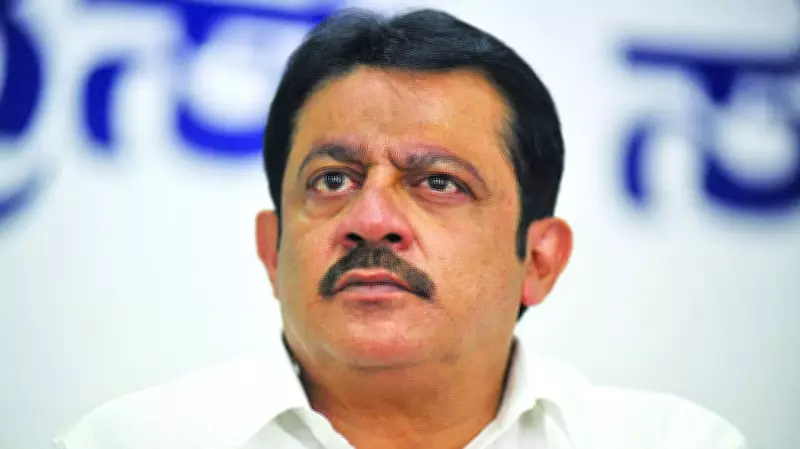
Karnataka Minister Zameer Ahmed Khan Makes Startling Claim on Waqf Properties
In a statement that has ignited significant discussion, Karnataka Minister for Housing and Waqf, Zameer Ahmed Khan, has alleged that Muslims themselves are responsible for encroaching upon Waqf assets in the state. This assertion comes amid ongoing scrutiny of the management and protection of Waqf properties, which are charitable endowments under Islamic law.
Details of the Minister's Statement
Minister Khan, who oversees the Waqf portfolio, emphasized that the issue of encroachment is not solely external but involves internal actors from within the Muslim community. He pointed out that many Waqf properties have been illegally occupied by individuals who are part of the same community, complicating efforts to reclaim and properly utilize these assets for charitable purposes.
The minister's comments highlight a broader challenge in safeguarding Waqf lands, which are intended to support religious, educational, and social welfare activities. Khan stressed the need for greater awareness and cooperation from the community to prevent such encroachments and ensure these properties serve their intended beneficiaries.
Implications and Reactions
This revelation has sparked mixed reactions, with some community leaders acknowledging internal issues while others call for more robust governmental action. The statement underscores the complexities in managing Waqf assets, where legal battles and administrative hurdles often hinder effective oversight.
Karnataka has a substantial number of Waqf properties, and their mismanagement has been a longstanding concern. Khan's remarks may prompt renewed efforts to audit and secure these assets, involving both community participation and stricter enforcement of laws.
Looking Ahead
As the debate continues, the focus is on finding sustainable solutions to protect Waqf properties from encroachment, whether internal or external. The minister's candid admission serves as a call to action for better governance and community responsibility in preserving these vital resources for future generations.