Shoes on the Danube Bank: Budapest's Haunting Holocaust Memorial
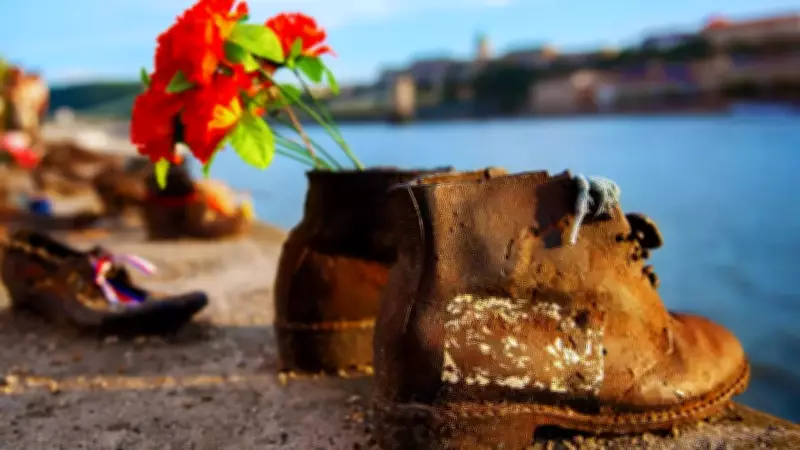
Along a serene stretch of the Danube River in central Budapest, a profoundly moving sight captures the attention of passersby. Rows of old-fashioned iron shoes stand meticulously arranged along the water's edge, creating one of Europe's most emotionally resonant memorials. This installation, known as Shoes on the Danube Bank, serves as a permanent tribute to the thousands of victims murdered at this very location during the final months of the Second World War.
The Tragic Historical Context
In 1944, as World War II approached its conclusion, Hungary came under the brutal control of the fascist Arrow Cross Party. This regime was notoriously antisemitic and immediately launched systematic persecution against the country's Jewish population. Budapest at that time hosted one of Europe's largest Jewish communities, with families who had contributed to the city's cultural fabric for centuries. The situation deteriorated rapidly under the new regime.
Jewish residents were forcibly relocated to ghettos, stripped of their rights, and subjected to relentless brutality. During the war's final months, as Soviet forces advanced toward Budapest, a series of mass executions occurred along the Danube River. Thousands of people were dragged from their homes and brought to the cold stone embankments. Here, they were compelled to remove their shoes before facing execution—footwear being considered valuable wartime commodities that could be reused, traded, or sold by soldiers and militia members.

The victims were lined up at the river's edge, shot, and their bodies fell into the freezing Danube waters, carried away downstream. For countless families, there were no graves to visit, only the silent river flowing through their city.
The Memorial's Creation and Design
Decades after the war, Hungarian film director Can Togay contemplated how to properly honor the memory of those killed in these riverbank executions. Rather than constructing a conventional monument, he envisioned something more intimate that would reflect the ordinary lives extinguished during this dark period. Collaborating with sculptor Gyula Pauer, Togay developed the concept of recreating the shoes left behind by victims.
In 2005, their vision materialized along the Danube embankment. Sixty pairs of meticulously crafted cast-iron shoes were installed, each designed to authentically represent footwear from the 1940s. The collection displays remarkable variety in size and style, including children's sandals, lace-up men's shoes, elegant women's heels, and worn work boots. The arrangement appears strikingly natural and unsettlingly realistic, as if people had just stepped out of their shoes moments before.
The Memorial's Profound Impact
The simplicity of this installation contributes significantly to its emotional power. Unlike towering statues or dramatic sculptures, this memorial captures the poignant final moments before tragedy. Today, it stands as one of Budapest's most visited historical sites, attracting tourists who initially mistake it for contemporary art before learning its heartbreaking backstory.
Visitors frequently leave flowers, candles, or stones near the iron shoes, transforming the space into a contemplative area for reflection and remembrance. The memorial contains no photographs or extensive name lists, instead inviting observers to imagine the individual lives represented by each empty pair of shoes. As the Danube flows past these silent iron forms, they serve as enduring reminders of the catastrophic consequences of hatred and intolerance.
This powerful memorial ensures that those who lost their lives here are never forgotten. In the quiet presence of these iron shoes lies a story that transcends verbal expression, speaking volumes about human resilience, memory, and the imperative to remember history's darkest chapters.