Kirtan Concerts Redefine Delhi's Nightlife with Spiritual Energy
The recent "Bury Worry" series kirtan concert featuring Amala Krishna Das at Delhi's Siri Fort Auditorium witnessed an extraordinary spectacle of spiritual celebration. Unlike traditional meditative gatherings, the atmosphere resembled ecstatic revelry as a packed crowd engaged in dynamic chanting and uninhibited dancing. The stage pulsated with an innovative soundscape blending synthesizers, Spanish guitars, and modern percussion instruments, marking a significant departure from conventional acoustic kirtan arrangements.
The Modern Transformation of Ancient Traditions
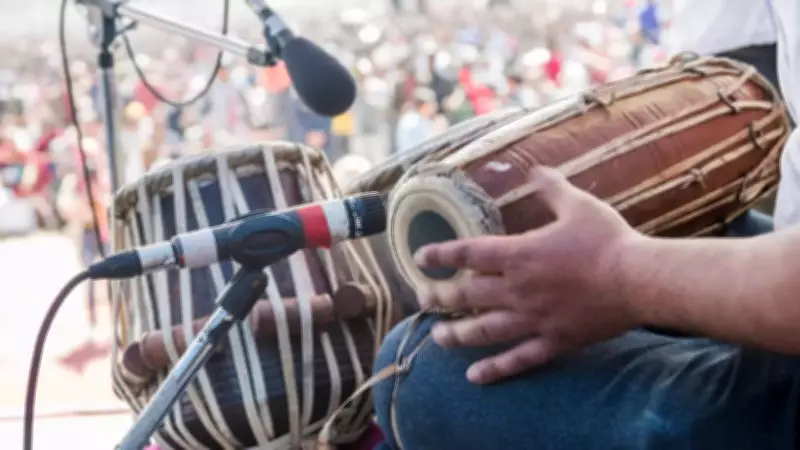
Kirtan and bhajan, centuries-old call-and-response chanting traditions, have undergone a remarkable renaissance on India's contemporary music scene. While traditional gatherings centered around harmonium, mridanga drum, and kartals, today's kirtan concerts incorporate electric guitars, synthesizers, drum sets, bass guitars, and electronic loops. This genre-fluid approach maintains spiritual depth while refreshing the auditory experience to resonate powerfully with Gen Z and urban millennials seeking both authenticity and novelty.
Contemporary kirtan events feature lyrical projections, modern lighting systems, and immersive visual displays creating festival-like atmospheres. The social currency exchanged in these spaces is pure joy rather than intoxication, with young attendees sipping chai instead of cocktails while swaying and dancing with full enthusiasm.

Understanding the Modern Devotional Landscape
Kirtan Concerts represent traditional devotional gatherings centered around interactive mantra chanting. Participants respond to lines led by artists, creating communal, energetic experiences that encourage full participation for devotional bliss. Instruments typically include harmonium, tabla, and kartals, though modern variations incorporate diverse musical elements.
Bhajan Clubbing emerges as a modern subculture blending traditional devotional bhajans with contemporary club music elements like house beats and electronic rhythms. These events feature DJs, atmospheric lighting, and Instagram-friendly environments, creating what might be described as "devotional raves" without alcohol or drugs. They appeal particularly to younger generations seeking spiritual experiences within trendy social contexts.
The Social Shift Toward Meaningful Connection
Modern urban professionals increasingly seek alternatives to conventional social gatherings that often feel stressful and meaningless. As Sadhna Manchanda, a multinational company employee who regularly attends Rishabh Rikhiram Sharma's concerts, explains: "It is too stressful and meaningless to hang out with the same set of people who are part of my day. We end up talking about office and work, and there is no mental respite for me. I have found a great way to relax and rejuvenate in these Kirtan concerts."
These gatherings offer transformative experiences that function as musical meditation, soothing nervous systems, calming minds, and providing genuine peace and connection. They bypass the busy, worried mind through collective chanting and rhythm, offering emotional release and spiritual upliftment without substances or superficial conversation.
Cultural Resets and Community Building
The crowds at these events represent intergenerational patchworks where young first-timers mingle with seasoned spiritual seekers. Instead of alcohol, there's chai; instead of drugs, sacred sandalwood paste. As music intensifies, inhibitions dissolve, creating rare moments of vulnerable unity expressed through chanting, clapping, and uninhibited dance. Artists often pause between sets to share stories, spiritual wisdom, or brief meditations, deepening emotional connections.
Modern kirtan concerts answer contemporary needs for belonging and transcendence in an era of digital overstimulation and urban anxiety. They provide safe, inclusive spaces for emotional release, shared joy, and spiritual connection independent of substances or social status. These gatherings foster non-judgmental communities facilitating interfaith and multicultural dialogue while allowing marginalized narratives within wellness and cultural scenes to be heard and felt.

The Growing Movement and Future Trajectory
Kirtan has evolved into a global movement with gatherings like "Bury Worry" in India and international tours by artists like Krishna Das and Radhika Das attracting increasing attendance. Recent festivals in Bengaluru, Delhi, Mumbai, and Rishikesh draw thousands, rivaling large-scale concerts and club nights.
Contemporary bhajan artists skillfully blend classic instruments (harmonium, tabla, sitar) with guitars, keyboards, drums, and electronic elements, sometimes collaborating with jazz musicians, rock guitarists, or global fusion collectives. Some events incorporate VJ-led projections, spoken-word poetry, or dance performances alongside chanting.
Common instruments in modern kirtan include:
- Electric and acoustic guitars
- Synthesizers and keyboards
- Drum sets and cajóns
- Bass guitar
- Electronic pads and loops
- Traditional instruments like harmonium, mridanga, tabla, kartals, and sitar
At their essence, bhajan clubbing and kirtan concerts represent cultural resets providing young people with grounded elation and shared identity rooted in tradition yet radically present. They blend ancient wisdom with avant-garde expression, offering accessible spiritual ecstasy that feels vibrantly alive in contemporary culture. In rapidly changing India and globally searching youth communities, modern kirtan transcends mere music to become an antidote to isolation, a celebration of joy, and a practice of communal healing whose popularity continues expanding.