Jeet & Malavika Banerjee: The Visionaries Behind Kolkata's Cultural Renaissance
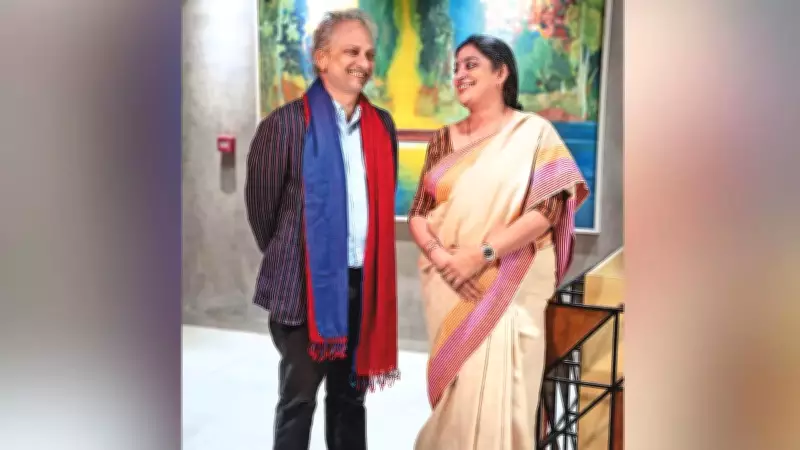
The dynamic duo of Jeet and Malavika Banerjee have become synonymous with Kolkata's cultural, literary, and sporting revival. From establishing the prestigious Kolkata Literary Meet to launching the ambitious Bengal Biennale, their initiatives have transformed into thriving platforms for intellectual exchange and creative expression.
Challenging the 'Kichhu Hobe Na' Narrative
In their expansive, art-filled office overlooking tranquil waters, the Banerjees reflect on their journey of curating experiences and confronting Kolkata's perception challenges. "The narrative may be negative, but that predominantly comes from Bengalis living outside," states Jeet Banerjee, countering the pessimistic outlook with concrete achievements.
"In business and entrepreneurship, several Kolkata-based companies have carved niches, launched IPOs, and achieved global presence with operations in Latin America, Australia, and South Africa," he emphasizes. The city's representation in India's Top 30 Bars list—with four entries including Sienna in the top 10—demonstrates its evolving culinary scene.

Malavika Banerjee adds her philosophical perspective: "I always say, even if the glass is empty, get up and fill it yourself. Don't sit and wring your hands saying nothing will ever happen." Her passionate defense of Kolkata stems from the city's generosity toward their ventures, many of which have become institutional pillars over fifteen years.
Kolkata's Unique Cultural Identity
When discussing Kolkata's appeal, particularly to international visitors, Malavika describes a city where "serious culture is enjoyed across economic guardrails." She highlights Kolkata's trilingual comfort, deep literary traditions, colonial history, and enduring inclusivity that remains embedded in its DNA.
Jeet points to cultural revivals enhancing the city's character: "Alipore Jail Museum, old Park Street restaurants coming back—foreigners love that quirkiness. Fine dining is everywhere, but these old places give character."
Evolving Audiences and Enduring Strengths
The Banerjees observe significant shifts in audience behavior across their diverse initiatives. In handloom retail, Instagram has sparked curiosity, with younger generations embracing Indian wear more confidently. However, changing retail habits present challenges as online shopping predominates.
"Getting people out of their homes is harder," notes Malavika, emphasizing the need for maintaining high standards in literary events amid intense competition.
Jeet highlights Kolkata's unwavering passion for live sports: "KKR matches sell out regularly with 70,000 attendees. Mohun Bagan and East Bengal draw massive crowds. Even chess tournaments here attract live audiences—something rare globally."
Malavika advocates for better celebration of Kolkata's sporting legacy, proposing a sports museum at Eden Gardens as a tourist destination.
Future Aspirations and Professional Execution
Reflecting on their journey since founding Gameplan in 1998, Jeet expresses gratitude for "marrying passion with livelihood." Future plans may include expanding literature festivals beyond Kolkata, enhancing chess initiatives, and potentially international ventures.
Malavika emphasizes agility and dreams of curating a festival celebrating the cultural India of her upbringing. Addressing perceptions about Kolkata's event execution, she points to Durga Puja—"the largest festival in this country"—as a testament to community-driven excellence.
"We sometimes have some of the best products in this city but don't have the chutzpah to project them," she observes, urging greater self-celebration.
Jeet distinguishes between commercial ticketed events and people's festivals like Durga Puja, while Malavika notes the growing international appreciation: "When overseas authors, artists, cricketers come, they rate Kolkata as their favourite city in India."

Looking ahead, the Banerjees envision branding Kolkata's November-February cultural calendar—encompassing film festivals, literary meets, music conferences, book fairs, and theater—as a cohesive festival season rivaling Edinburgh's renowned offerings.