Japan Zoo Addresses Concerns Over Viral Baby Monkey Punch
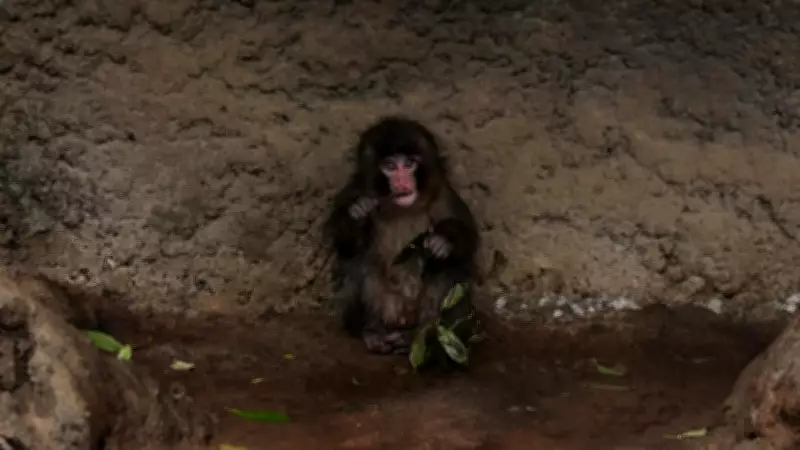
In an official statement released on Tuesday, Ichikawa City Zoo located near Tokyo provided crucial clarifications regarding Punch, a seven-month-old baby monkey who has captured global attention. The zoo firmly stated that Punch is not being bullied by other monkeys in his troop, despite concerning videos circulating online that showed him being chased. According to zoo authorities, Punch actually spends the majority of his day in peaceful activities, and recent observations indicate he is gradually integrating into the social structure of the macaque group.
The Heartwarming Story of an Abandoned Macaque
Punch, a Japanese macaque, faced abandonment by his mother shortly after birth, leaving him without the maternal guidance essential for integrating into the troop. In this vulnerable state, the tiny monkey formed an emotional bond with a plush orangutan toy provided by zoo keepers. This toy became his constant companion, offering comfort as he navigated the complexities of macaque society. The touching images and videos of Punch clutching his plush friend quickly turned him into an internet sensation, with fans worldwide cheering him on under the hashtag #HangInTherePunch.
The zoo had previously posted on social media platform X that Punch "had been scolded many times by other monkeys," which led to widespread concern when subsequent videos showed him being dragged and chased by older macaques within the enclosure. Many netizens interpreted these interactions as clear bullying, prompting an outpouring of worry from animal lovers both in Japan and internationally.

Natural Macaque Behavior Versus Human Perception
Ichikawa City Zoo carefully explained the social dynamics at play within macaque troops. "While dominant individuals may show disciplining actions toward their subordinates, as macaques do naturally, these actions in the macaque society 'differ from human abuses'," the statement clarified. The zoo emphasized that what might appear as aggression to human observers is often normal social structuring and discipline within macaque communities.
Recent observations have shown encouraging developments in Punch's situation. Later videos captured more heartening scenes where other troop members were seen grooming and comforting the young monkey, suggesting that Punch is gradually being accepted into the group. The zoo added that Punch is becoming less reliant on his stuffed toy as more troop members engage with him through play and caregiving behaviors.
Why Separation Could Harm Punch's Future
The zoo addressed calls from some concerned observers who suggested removing Punch from the troop. "Punch has become accustomed to living in this troop, so separating him now would create the risk that he would never be able to return to the group and would have to continue living that way for the rest of his life," the statement warned. Zoo officials believe that maintaining Punch within his current social environment offers the best chance for successful long-term integration.
Raised in an artificial environment after his abandonment, Punch began specialized training earlier this year to help him rejoin his troop. His remarkable journey has inspired a devoted fanbase that continues to grow, drawing large crowds to Ichikawa City Zoo and significantly boosting sales of the IKEA orangutan toy that resembles his beloved plush companion.
Broader Implications and Animal Welfare Perspectives
The case has sparked broader discussions about animal welfare in zoo environments. Animal rights organization PETA commented on Punch's situation, suggesting it highlights inherent challenges within zoo systems and advocating for his relocation to a "reputable sanctuary, where he could live in a more natural environment."
Despite these differing viewpoints, Ichikawa City Zoo maintains that Punch's current situation represents the most appropriate care plan for his specific circumstances. The zoo continues to monitor his progress closely while balancing the natural behaviors of macaque societies with public concern for individual animal welfare.