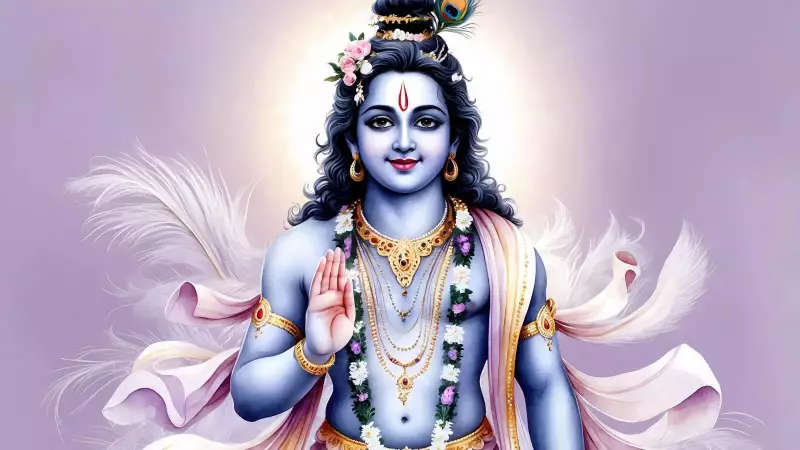
For devout Hindus, Ekadashi holds a place of supreme spiritual importance. This sacred day, dedicated to the worship of Lord Vishnu, is observed with rigorous fasting and prayers twice every lunar month. The year 2026 begins with two such auspicious observances in the month of January: Shattila Ekadashi and Jaya Ekadashi. These days are marked by devotees seeking mental peace, purification, and divine blessings.
January 2026 Ekadashi: Precise Dates and Timings
The first Ekadashi of the new year, Shattila Ekadashi, falls on Wednesday, January 14, 2026. The sacred Ekadashi tithi itself begins a day earlier on January 13, 2026, at 03:17 PM and concludes on January 14, 2026, at 05:52 PM. Devotees break their fast, a ritual known as Parana, the next morning during the designated window from 07:15 AM to 09:21 AM on January 15, 2026. It is noteworthy that the Dwadashi tithi ends on the same day at 08:16 PM.
The second observance, Jaya Ekadashi, occurs on Thursday, January 29, 2026. The tithi commences on January 28, 2026, at 04:35 PM and ends on January 29, 2026, at 01:55 PM. The recommended Parana time for Jaya Ekadashi is between 07:10 AM and 09:20 AM on January 30, 2026, with the Dwadashi period ending at 11:09 AM that day.

The Spiritual Significance and Rituals of Ekadashi
Ekadashi is deeply revered as a day for honoring Lord Vishnu and seeking his grace. The fast, observed from sunrise on Ekadashi to sunrise on Dwadashi, is a means of fostering spiritual discipline and inner cleansing. Devotees engage in various religious activities with pure devotion, believing it aids in attaining moksha, or liberation from the cycle of rebirth.
The puja rituals for Ekadashi follow a traditional structure designed to cultivate focus and piety. Devotees are advised to wake up early and take a purifying bath. They then light a lamp using desi ghee before the idols of Lord Vishnu and Goddess Lakshmi. The worship involves chanting sacred mantras, reciting the Vishnu Sahasranama, and offering bhog prasad consisting of dry fruits and seasonal produce. Spending the day in recitation of the Ekadashi katha and continuous naam japa is central to the observance, culminating in breaking the fast during the prescribed Parana time the following morning.
Profound Benefits of Observing the Ekadashi Fast
Observing the Ekadashi fast is believed to confer multiple benefits, both spiritual and material. Followers undertake this practice for profound personal transformation.
- Spiritual Development: The discipline of fasting and prayer is said to accelerate spiritual growth and promote self-realization.
- Purification and Cleansing: The observance is considered a powerful tool for mental and spiritual detoxification, clearing negative energies.
- Path to Moksha: Many believe that sincere observance of Ekadashi can pave the way to ultimate liberation (moksha) from the eternal cycle of birth and death.
- Material Prosperity: It is also widely held that honoring this vrat brings blessings of success, wealth, and overall good fortune into one's life.
Chanting specific mantras forms the core of the devotional practice on this day. The powerful "Om Namo Bhagavate Vasudevaya" and the Maha Mantra, "Hare Ram Hare Ram Ram Ram Hare Hare, Hare Krishna Hare Krishna Krishna Krishna Hare Hare," are recited to invoke divine consciousness and connect with Lord Vishnu.
With 24 Ekadashis in a year, each falling in the Krishna and Shukla Paksha, the two in January 2026 offer a spiritually charged start to the year for millions of devotees across India and the world.