High above the bustling streets of Shimla, perched on Jakhu Hill, stands one of India's most remarkable temples with an even more remarkable guardian. The ancient Jakhu Temple, dedicated to Lord Hanuman, has been presided over by a spiritual leader of European descent for decades, creating a unique cultural bridge between East and West.
The European Guardian of an Ancient Temple
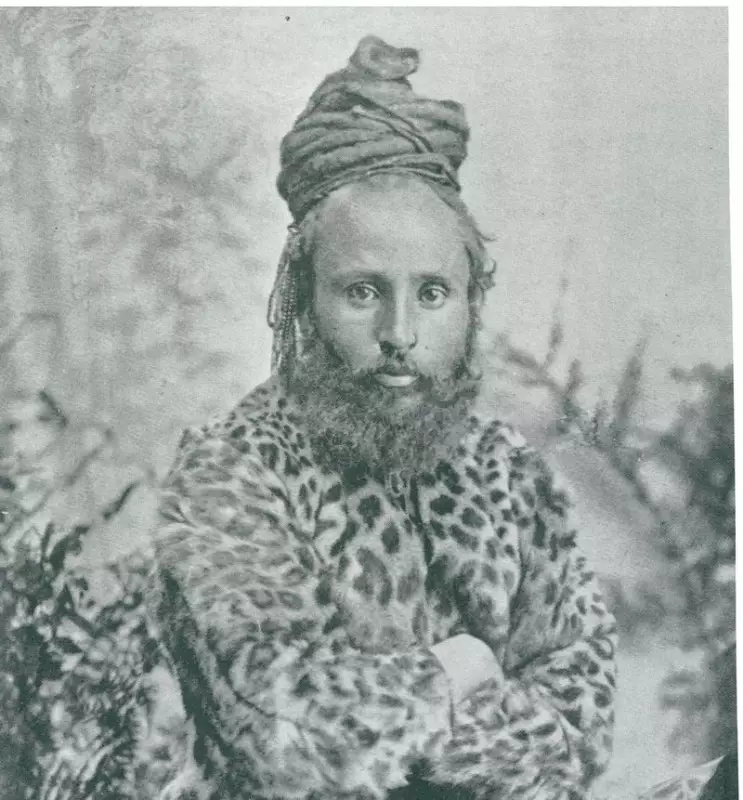
The current Mahant of Jakhu Temple traces his lineage to a European spiritual seeker who arrived in India generations ago. This extraordinary spiritual journey began when his European ancestor embraced Hinduism and eventually became the caretaker of this sacred site. The temple itself holds immense significance as one of the highest points in Shimla, attracting both pilgrims and tourists throughout the year.
What makes this story particularly fascinating is how seamlessly the European-origin spiritual lineage has integrated into the local religious and cultural fabric. The Mahant performs all traditional rituals with the same devotion as any Indian-born priest, conducting aarti ceremonies and guiding visitors through the temple's spiritual significance.

Monkey Legends and Temple Traditions
The Jakhu Temple is as famous for its resident monkey population as it is for its spiritual significance. According to local legend, the temple marks the spot where Lord Hanuman paused during his journey to the Himalayas in search of the magical sanjeevani herb to heal Lakshmana during the Ramayana war.
The monkeys inhabiting the temple complex are considered sacred by devotees, believed to be descendants of Hanuman's army. These playful yet revered creatures have become an integral part of the temple experience, with visitors often feeding them offerings while being cautious of their mischievous nature.
Local lore suggests that the monkeys have protected the temple through various challenges over centuries. The current Mahant has developed a unique relationship with these animals, understanding their behavior patterns and ensuring peaceful coexistence between human visitors and the simian residents.
Preserving Heritage Amidst Modern Challenges
The temple faces contemporary challenges including environmental concerns and managing the increasing tourist footfall. The Mahant plays a crucial role in balancing spiritual traditions with practical management of the historic site.
The European-descent spiritual leader has become a symbol of cultural synthesis, demonstrating how spiritual devotion transcends ethnic and geographical boundaries. His presence challenges conventional notions about religious leadership in India while simultaneously preserving ancient traditions.
Visitors to the temple often express surprise at encountering a European-looking spiritual leader, but quickly appreciate the depth of his knowledge about Hindu scriptures and temple rituals. This unique aspect has inadvertently made Jakhu Temple even more popular among both domestic and international tourists.
The temple continues to serve as an important pilgrimage site while also functioning as a cultural landmark that represents India's openness to diverse spiritual influences. The story of its European Mahant adds another layer to Shimla's rich tapestry of colonial and post-colonial history.