From Tihar Jail to Terror Resurgence: The Dangerous Return of Two Lashkar-e-Taiba Operatives
On a humid night of May 9, 2002, Delhi's special cell executed a high-stakes operation near Humayun's Tomb, acting on a secret tip-off about an imminent terrorist attack. The team meticulously scanned passengers disembarking from the Punjab Mail at Nizamuddin station, leading to the arrest of three Lashkar-e-Taiba terrorists: Sajjad, Mehrajuddin, and Firoze.
During the operation, authorities seized a significant cache of explosives and weapons, including five kilograms of RDX, one AK-47 rifle, two pistols, four detonators, plastic yellow explosives, and cash. The arrested individuals directed police to a parked Maruti car near the tomb, where two Pakistani LeT terrorists, later identified as Abu Bilal and Abu Zabiullah, were waiting. In the ensuing gunfire, a team led by then DCP Ashok Chand, ACP Rajbir Singh, and inspector Mohan Chand Sharma neutralized both terrorists.
Conviction and Incarceration in Tihar Jail
Sajjad and the others, who were apprehended unharmed, were subsequently convicted and sentenced to Tihar Jail. Five years later, in July 2007, the special cell was again alerted about a terror operative in Delhi, leading to the arrest of Shabbir Ahmed Lone. Lone was found in possession of grenades, arms, ammunition, $280, and Rs 1 lakh.
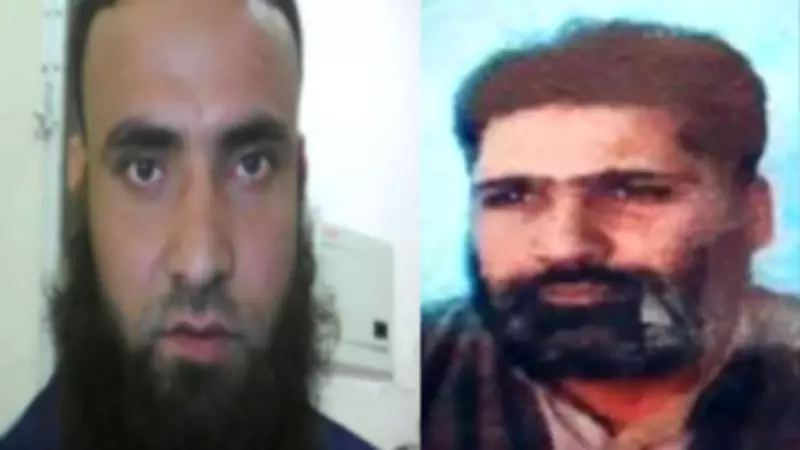
For over a decade, Sajjad and Lone remained incarcerated in Tihar Jail, serving their sentences. Sajjad, also known as Sheikh Sajjad Gul, was serving a 10-year term. Both terrorists were eventually released in 2018-19, in close proximity to each other, marking the beginning of a new and dangerous chapter.
Re-emergence as Most-Wanted Terrorists
Following their release, Sajjad and Lone have resurfaced as most-wanted category-A terrorists, prompting aggressive pursuit by security agencies. Lone fled to Pakistan and was subsequently sent to Bangladesh by Inter-Services Intelligence (ISI) to establish a terror cell there. Operating from the safety of Bangladesh with ISI backing and funding, Lone's specific goal is to radicalize Bangladeshi youth for terror plots targeting India.
Recently, Lone alarmed agencies when his recruited henchmen conducted a test task in Delhi by pasting provocative posters ahead of an AI summit. This incident underscores the ongoing threat posed by his network.
Sajjad's Rise in Lashkar-e-Taiba Proxy Operations
Sajjad also fled to Pakistan and now leads LeT proxy The Resistance Front (TRF), which has been responsible for several terror strikes, including the Pahalgam attack. Born in 1974, Sajjad received his early education in the valley, earned a BSc from Srinagar, completed a lab technician course in Kerala, and pursued an MBA in Bengaluru in 1996. He later established a diagnostic centre in the valley but became involved in terrorist activities, initially as an overground worker for LeT.
Currently operating from Rawalpindi, Sajjad has been placed under the protection of ISI following the Pahalgam attack, according to sources. Both Sajjad and Lone are considered extremely dangerous, with high rewards offered for their capture and an international manhunt underway against them.
The resurgence of these terrorists highlights the persistent challenges in counter-terrorism efforts and the need for vigilant monitoring of released operatives to prevent their return to illicit activities.