Chaitra Navratri 2026: A Comprehensive Guide to the Nine-Day Festival
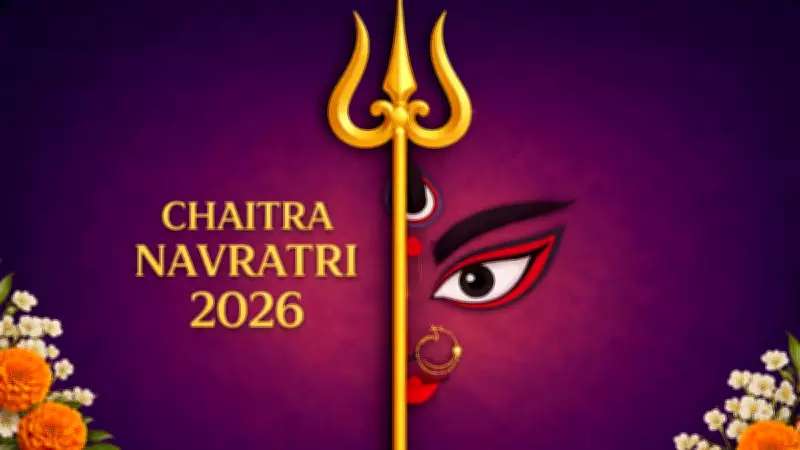
Chaitra Navratri, a significant Hindu festival dedicated to the worship of Goddess Durga, is set to be celebrated in 2026 from March 29 to April 6. This nine-day event marks the beginning of the Hindu New Year in many regions and is observed with great devotion across India. The festival symbolizes the victory of good over evil and is a time for spiritual renewal and cultural festivities.
Significance of Chaitra Navratri
Chaitra Navratri holds immense religious and cultural importance. It occurs during the Hindu lunar month of Chaitra, which typically falls in March or April. The festival honors the nine forms of Goddess Durga, known as Navdurga, each representing different aspects of divine power. Devotees believe that worshipping these forms brings blessings, prosperity, and protection from negative energies. The festival also coincides with the onset of spring, symbolizing new beginnings and the rejuvenation of nature.
Fasting Rules and Guidelines
Fasting during Navratri is a common practice, with many devotees observing strict or partial fasts to purify the mind and body. Key fasting rules include:

- Abstinence from Non-Vegetarian Food: Meat, fish, and eggs are strictly avoided.
- No Grains or Lentils: Common staples like wheat, rice, and pulses are not consumed during fasts.
- Permitted Foods: Devotees can eat fruits, nuts, dairy products, and specific flours such as buckwheat or water chestnut flour.
- Spiritual Practices: Fasting is often accompanied by prayer, meditation, and reading religious texts to enhance spiritual focus.
It is advisable to consult with a healthcare professional before undertaking a fast, especially for individuals with health conditions.
Day-Wise Bhog Offerings and Navdurga Names
Each day of Navratri is associated with a specific form of Goddess Durga and a corresponding bhog (food offering). Here is the day-wise list for 2026:
- Day 1 (March 29): Goddess Shailputri is worshipped. Bhog includes ghee-based dishes.
- Day 2 (March 30): Goddess Brahmacharini is honored. Offerings consist of sugar and fruits.
- Day 3 (March 31): Goddess Chandraghanta is revered. Milk-based sweets are prepared.
- Day 4 (April 1): Goddess Kushmanda is worshipped. Malpua or halwa is offered.
- Day 5 (April 2): Goddess Skandamata is honored. Bananas are a key part of the bhog.
- Day 6 (April 3): Goddess Katyayani is revered. Honey-based items are offered.
- Day 7 (April 4): Goddess Kalaratri is worshipped. Jaggery dishes are prepared.
- Day 8 (April 5): Goddess Mahagauri is honored. Coconut-based offerings are made.
- Day 9 (April 6): Goddess Siddhidatri is revered. Sesame seeds and pudding are included in the bhog.
These offerings are believed to please the goddess and bring divine blessings to devotees.
Cultural and Spiritual Practices
Beyond fasting and offerings, Chaitra Navratri involves various rituals such as Ghatasthapana (the installation of a sacred pot), daily aarti (prayer ceremonies), and community gatherings. Many people also participate in garba and dandiya dances, especially in western India, to celebrate the festival joyously. The festival culminates with Ram Navami on the ninth day, commemorating the birth of Lord Rama, adding to its religious significance.
In summary, Chaitra Navratri 2026 is a time for devotion, reflection, and celebration. By adhering to fasting rules, making appropriate bhog offerings, and understanding the significance of each day, devotees can fully immerse themselves in this auspicious period. Whether through personal prayer or community events, the festival fosters a sense of unity and spiritual growth among participants.