A captivating exhibition in Mumbai is turning back the pages of history, presenting the city's social evolution through the faces that shaped it. 'Face to Face: A Portrait of a City', on view at DAG in The Taj Mahal Palace, brings together 30 remarkable portraits tracing Bombay's journey from the 19th to the late 20th century.
From Princely Authority to Intellectual Fire
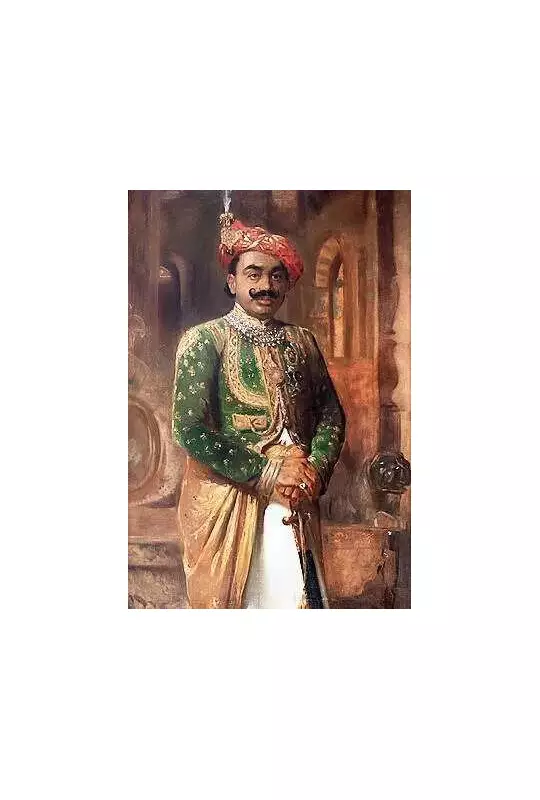
The journey begins in 1892 with a portrait of quiet authority. Painted by artist Frank Brooks, it depicts Jaswatsingji Fatesingji Thakor Saheb, the English-speaking ruler of Limri (Limbdi). Resplendent in an emerald-green court jacket embroidered with gold and a crimson pagri, the work offers a glimpse into an era of princely states. Ashish Anand, CEO of DAG, notes that Brooks' series originated from an imperial commission by the Kathiawar Agency to mark Queen Victoria's golden jubilee.
As the exhibition moves into the 20th century, the focus shifts. A formal portrait of Dr. B.R. Ambedkar by V.B. Pathare anchors the architect of India's constitution within Bombay's intellectual life. The painting references his education at Elphinstone College, his professorship at Sydenham College, and his political role in the Bombay Provincial Legislative Assembly. "Ambedkar's presence underscores Bombay's importance as a site of reform and public leadership," says Anand.

Cultural Icons and Community Pillars
The exhibition celebrates cultural pioneers like the legendary actor Bal Gandharva, captured in theatrical glory by M.V. Dhurandhar. His stage name, as Anand points out, was bestowed by Lokmanya Tilak, whose own portrait by M.K. Parandekar is also featured.
The influential Parsi community is represented with equal force. A portrait of Sir Jamsetji Jeejeebhoy in traditional attire stands beside M.F. Pithawalla's depiction of a confident Parsi woman, symbolizing the new public roles women were claiming. Works by Abalal Rahiman further broaden the panorama to include regional rulers, local communities, and everyday Maharashtrians.
The Artist's Gaze and a Modernist Conclusion
A compelling section is dedicated to self-portraits and artists' portraits. Here, the faces of creators like M.F. Husain, S.L. Haldankar, and Baburao Sadwelkar emerge, showcasing a gradual break from academic conventions towards more individual expression.
The exhibition culminates with the modernist wave post-Independence. Works associated with the Progressive Artists' Group abandon realism for abstraction and psychological exploration, mirroring a nation redefining its identity. The exhibition is presented for Mumbai Gallery Weekend 2026 and remains on view until January 11, 2026.