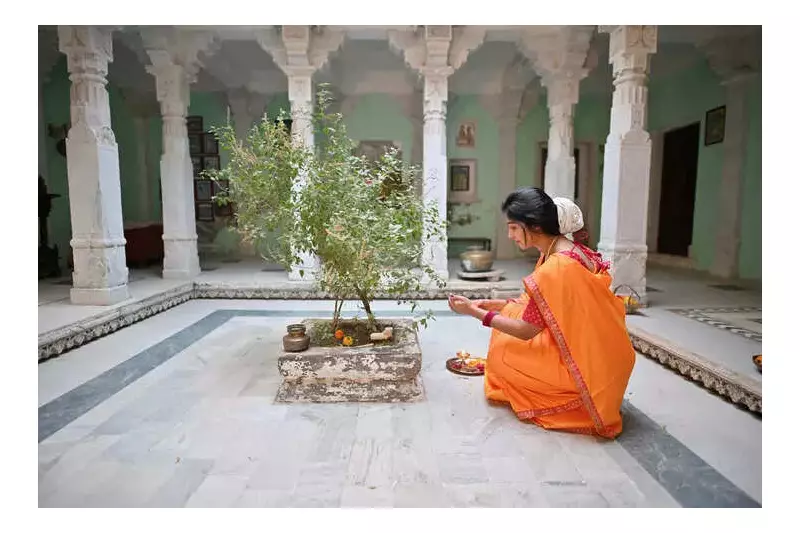
In countless Indian households, the Tulsi plant transcends its botanical identity. It is a living repository of memory, a focal point of daily ritual, a breath of fresh air, and a deep-rooted belief, all growing quietly in an earthen pot. As morning sunlight filters through its aromatic leaves and the scent of incense curls around it, the home finds a moment of profound anchorage. However, the spiritual and physical well-being of this sacred plant is deeply influenced by where it is placed. The direction, the quality of light, and its specific location shape not just its growth but also the role it plays in the domestic ecosystem. Here is a synthesis of what ancient tradition, Vastu Shastra, and modern horticultural science collectively advise.
The Most Auspicious Direction: Embracing the Morning Sun
The east is universally considered the most ideal and auspicious direction to place a Tulsi plant. From a Vastu perspective, the east symbolizes the rising sun, embodying new beginnings, purity, clarity, and the vital life force. Tulsi, revered for its properties of purity and protection, aligns perfectly with this radiant energy. Placing the plant in the east is believed to foster domestic harmony, strengthen positive vibrations, and invite auspiciousness into the home.
This recommendation is strongly supported by practical plant science. East-facing locations receive gentle, bright morning sunlight, which is exactly what the Tulsi plant thrives on. This light is sufficient for robust growth and the development of aromatic oils in the leaves without the harsh, dehydrating intensity of the afternoon sun. In the scorching heat of Indian summers, direct afternoon exposure, especially from the west or south, can quickly dry out the soil and stress the plant. Therefore, an east-facing balcony, courtyard, or window sill often proves to be the perfect spot.

Secondary Options and Sacred Corners
If an east-facing spot is not feasible, the north direction is the next best alternative. In Vastu principles, the north is associated with calmness, steady flow, and prosperity. A Tulsi plant placed here is thought to support mental peace and encourage stable growth in the family's life. From a practical standpoint, north-facing areas typically receive soft, indirect sunlight for longer periods during the day, which is also very beneficial for the plant.
This leads to the special significance of the northeast corner, or Ishan Kona. This zone holds immense spiritual importance in Indian tradition, being linked to divine energy, the element of water, and clarity of mind. Placing the Tulsi plant in the northeast is highly recommended in traditional homes and temples, where it is believed to act as a spiritual anchor, silently balancing the energies of the dwelling. Practically, this corner is usually kept open and uncluttered, ensuring good ventilation and a peaceful environment that helps the plant stay healthy.
Directions and Locations to Avoid for Tulsi
Just as some directions are recommended, others are best avoided. South-facing placements are generally discouraged. Vastu associates the south with intense heat and heavier energies. From a plant-care angle, south-facing spots often bear the brunt of the strong afternoon sun, which can scorch the delicate Tulsi leaves, rapidly dry out the soil, and ultimately shorten the plant's lifespan.
Keeping the Tulsi plant entirely indoors, away from any direct natural light, is also not advisable. Tulsi is a sun-loving species. Without at least 4-6 hours of sunlight, it becomes leggy, weak, and loses its characteristic fragrance. Furthermore, locations like bathrooms, areas near shoe racks, or directly under staircases should be avoided. This is not only for symbolic reasons (maintaining the plant's purity) but also because these spaces usually lack adequate airflow and consistent light, creating an unhealthy environment for growth.
Often-Forgotten Placement Rules for a Thriving Tulsi
Beyond the cardinal directions, several small but significant rules can enhance your Tulsi's health and reverence. The plant should be placed slightly elevated, not directly on the ground. Using a small stool, a dedicated stand, or a raised pot helps keep the plant clean, improves drainage, and honors its sacred status.

Avoid overcrowding your Tulsi. It does not like to be squeezed between other pots. It grows best when it has ample space to breathe and when sunlight can reach all sides of the plant. Finally, consistency in care trumps perfect placement. A Tulsi plant that is regularly watered, receives adequate sunlight, and is tended to with love in a “less-than-ideal” spot will always fare better than a perfectly placed plant that is neglected and forgotten.
The Tulsi plant is more than greenery; it is a daily connection to tradition and nature. By mindfully choosing its place in your home, you nurture both its leaves and the serene harmony it is believed to bring.