The Evolution of Home Design: From Aesthetics to Lifestyle Integration
Over the past decade, the concept of what constitutes a comfortable and desirable home has undergone a significant transformation. Previously, home designs primarily focused on visual appeal, size, and dramatic layouts. However, contemporary homeowners are increasingly prioritizing how their homes function in daily life. As urban density increases, work patterns shift, and people spend more time at home, design preferences are adapting to these new realities, emphasizing lifestyle, habits, and health.
Rethinking Open-Concept Designs
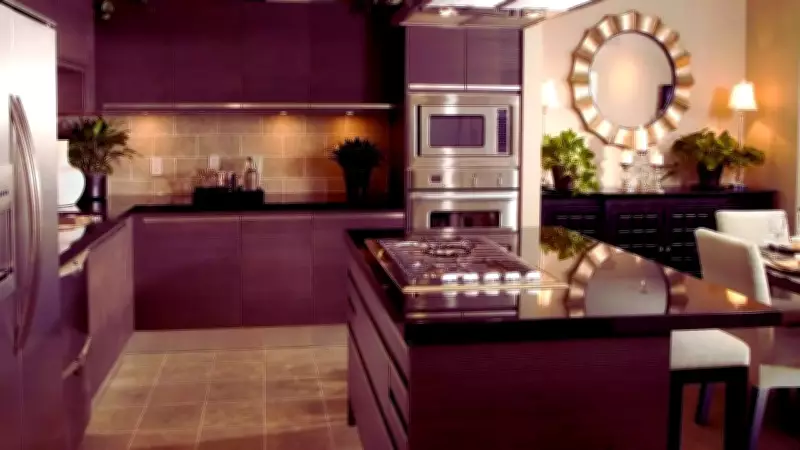
For years, open-concept designs dominated home architecture, with large kitchens seamlessly flowing into living rooms symbolizing modern living. While these layouts remain popular, many homeowners are now questioning their practicality for everyday use. Practical concerns such as cooking odors, noise, and mess are driving demand for semi-open or closed kitchens that separate cooking from living areas. In high-end homes, dual kitchen designs are gaining traction, featuring a fashionable kitchen for socializing and a hidden utility kitchen for daily cooking tasks.
Sandeep Jain, Director of Arkade Developers Limited, notes: "Home architectural designs are seeing a shift in 2026, with a greater emphasis on functionality and personalization."

Bedrooms as Personal Sanctuaries
Bedrooms are no longer mere sleeping quarters; they are evolving into private retreats for relaxation and rejuvenation. Modern master bedrooms often include walk-in closets, vanity areas, reading nooks, and spa-like bathrooms. Design elements such as soft lighting, comfortable textures, and warm materials create a soothing ambiance, prioritizing emotional well-being alongside aesthetics. This trend reflects a broader desire for spaces that offer respite from daily stresses.
Homes Adapted for Hybrid Living
The rise of hybrid work culture post-pandemic has fundamentally altered how homes are utilized. Homeowners now seek functional workspaces and adaptable rooms that can serve multiple purposes throughout the day. Guest rooms doubling as home offices, living rooms used as study spaces, and quiet areas for focused work have become necessities rather than luxuries. Design features like sliding walls, glass partitions, and room dividers enable spaces to expand or contract as needed, emphasizing flexibility.
Balconies Transformed into Wellness Zones
Outdoor spaces, particularly balconies, are gaining importance in densely populated urban areas. Once considered leftover utility areas, balconies are now being redesigned as lifestyle extensions. Larger decks, planter-lined edges, and seating-ready layouts are becoming standard, serving as wellness sanctuaries for morning coffee, evening unwinding, or personal reflection. These spaces provide a vital connection to sunlight, fresh air, and greenery, which is a key consideration for homebuyers.
The Return of Zoning and Privacy
After years of favoring open-concept designs, zoning is making a comeback in floor plans. Buyers now prefer clear separations between social and private areas, with living and dining spaces near the entrance for hosting convenience, and bedrooms located deeper within the home. Hallways and buffer zones are reappearing to promote privacy and transition. Materials and lighting reflect this trend: private spaces feature warm textures, sound-dampening elements, and softer lighting, while common areas utilize brighter, more extensive illumination. Glass walls and sliding doors offer homeowners control over their desired level of privacy.
These shifts indicate a broader change in how luxury is defined in modern homes. Previously associated with openness, size, and visual drama, luxury now encompasses privacy, adaptability, and emotional comfort. Homes are evolving into personal ecosystems that facilitate work, rest, health, and solitude, blending social open kitchen designs with private retreats to create spaces that are not only seen but deeply felt.