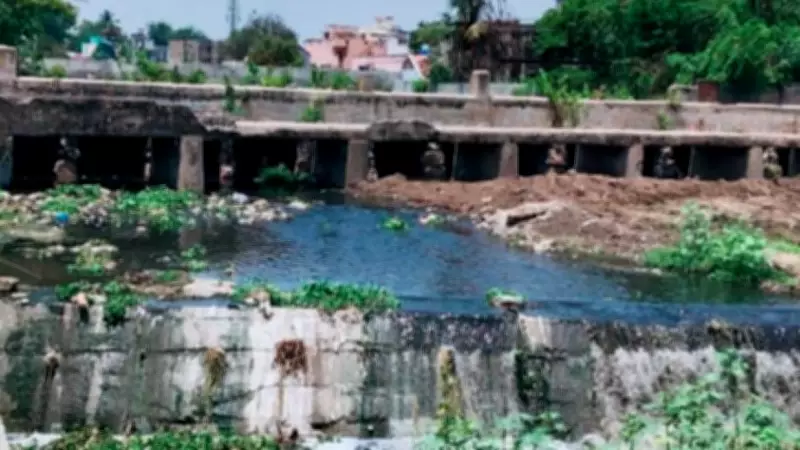
ASI Intervenes to Save Centuries-Old Kalingarayan Aqueduct Bridge in Erode
The Archaeological Survey of India (ASI) has issued a directive to the Tamil Nadu water resources department, ordering it to halt plans to demolish the historic Kalingarayan aqueduct bridge. This centuries-old structure spans the Perumpallam stream in Erode district and is estimated to be approximately 750 years old.
Protection Order Follows Public Outcry
The ASI's intervention comes after numerous organizations and local groups submitted petitions and organized protests against the proposed demolition. The water resources department had intended to dismantle the ancient bridge to construct a modern replacement.
In a significant development, the ASI has not only prohibited the demolition but has also assured the department of providing necessary technical support to preserve and protect this important heritage structure.

Architectural Significance of the Bridge
According to A Nallasamy, President of the Kalingarayan Irrigation Farmers Association, the bridge features distinctive architectural elements that make it historically valuable. The structure includes:
- Two substantial side walls
- Thirteen supporting pillars
- Fourteen abutments
These components have withstood the test of time, serving both functional and historical purposes for nearly eight centuries.
Broader Implications for Heritage Conservation
This case highlights the ongoing tension between infrastructure development and heritage preservation in rapidly modernizing regions. The ASI's firm stance demonstrates the growing recognition of historical structures as irreplaceable cultural assets that require protection even when they conflict with contemporary development plans.
The successful preservation effort represents a victory for heritage conservation advocates and sets a precedent for how similar cases might be handled in the future across India.