10 Animals That Seem to Kiss Like Humans But Have Different Meanings
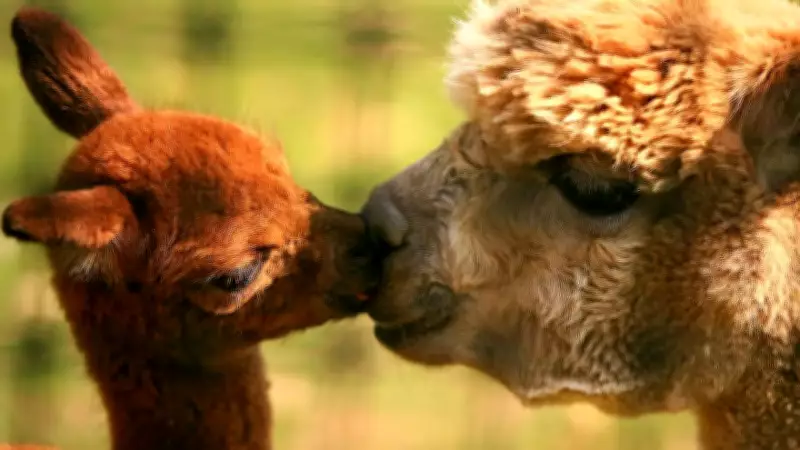
In the animal kingdom, behaviors that resemble human kissing are surprisingly common, yet they carry meanings far removed from romantic affection. These fascinating interactions serve vital purposes in communication, social structure, and survival.
The Human Kiss vs. Animal Behaviors
While humans associate kissing with romance and affection, scientists confirm that romantic kissing occurs primarily in humans and some primates. For most animals, what appears to be kissing is actually complex communication with specific social functions.
Dolphins: Social Bonding Through Contact
Dolphins engage in behaviors like body rubbing, fin touching, and occasional snout contact that might resemble kissing. These interactions strengthen relationships within pods and maintain social connections among group members.

Snails: A Slow-Motion Reproductive "Kiss"
When snails touch tentacles in what looks like kissing, they're actually engaging in reproduction. Some species even use love darts during this process, making it a crucial mating behavior rather than affectionate contact.
Dogs: Instinctual Behavior Masquerading as Affection
Dogs licking faces or pressing noses against humans or other dogs might feel like kissing, but this behavior stems from instinct. It can represent affection or recall puppyhood when they licked their mother's mouth to stimulate feeding.
Birds: Feeding That Resembles Kissing
Parrots, pigeons, and other birds often touch beaks in ways that appear like kissing. However, this behavior typically involves feeding mates or offspring, serving practical nutritional purposes rather than emotional expression.
Lemurs: Grooming Disguised as Romance
When lemurs appear to kiss, they're actually grooming each other. Using their mouths and teeth, they remove parasites from fur, maintaining hygiene and social bonds within their groups.
Giraffes: Dominance Displayed as Affection
Giraffes engage in "necking" where they push or embrace each other in seemingly tender ways. This behavior actually establishes dominance hierarchies rather than expressing affection.
Elephants: Emotional Connection Through Trunk Contact
Elephants communicate by touching, embracing, or caressing with their trunks in ways that might resemble kissing. These actions serve to comfort, greet, and socialize within their herds.
Wolves: Submission to Pack Leaders
Wolves lick each other's mouths and nuzzle heads in behaviors that look like kissing. This represents submission to higher-ranking pack members rather than affectionate bonding.
Chimpanzees: Reassurance and Trust Building
Chimpanzees engage in mouth-to-mouth contact, particularly after conflicts or during comforting moments. This behavior helps rebuild trust and strengthen social bonds within their communities.
Bonobos: Conflict Resolution Through "Kissing"
Bonobos frequently kiss mouth-to-mouth, especially after confrontations. Rather than expressing affection, this serves as social healing and conflict resolution within their groups.
Understanding these behaviors reveals the rich complexity of animal communication. What humans interpret as kissing represents diverse survival strategies, social structures, and communication methods across species. These interactions highlight how different species have evolved unique ways to maintain social cohesion, establish hierarchies, and ensure reproductive success.