

In the quest for flawless skin, many of us turn to a variety of products and tools available at home, but did you know that some of these items are strictly avoided by dermatologists? These skin experts, who dedicate their careers to understanding and treating skin conditions, have revealed a list of common household items they never use in their personal skincare routines. Their insights shed light on potential pitfalls in everyday beauty practices and offer guidance for safer alternatives.
Why Dermatologists Are Cautious with Certain Items
Dermatologists emphasize that while some products might seem harmless or even beneficial, they can actually cause irritation, infections, or long-term damage to the skin. Their professional experience and scientific knowledge lead them to steer clear of items that compromise skin barrier function or hygiene. By avoiding these, they aim to prevent issues like acne, dryness, and premature aging, which are common concerns among the general public.
Common Items Dermatologists Avoid
Here are some of the key items that dermatologists typically avoid using at home, along with the reasons behind their choices:

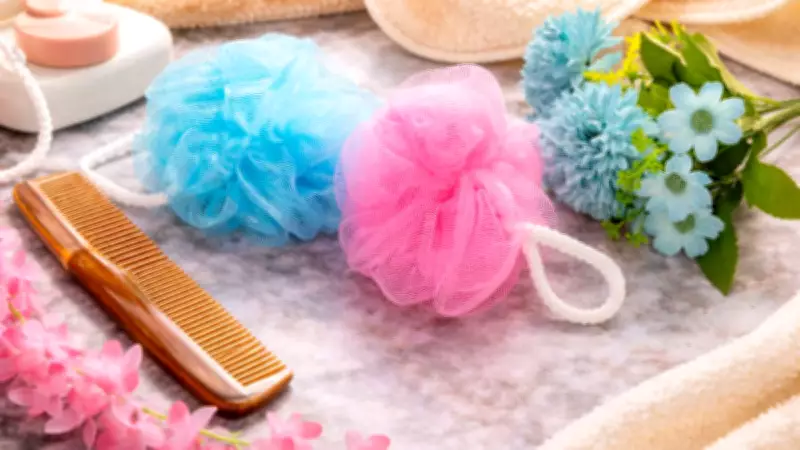
- Loofahs and Bath Sponges: These porous materials can harbor bacteria, mold, and fungi if not dried properly, leading to skin infections. Dermatologists often prefer using their hands or washcloths that are laundered frequently.
- Cotton Pads and Balls: While convenient, they can leave behind tiny fibers that irritate the skin, especially around sensitive areas like the eyes. Experts might opt for reusable silicone pads or gentle fingertips for applying products.
- Harsh Soaps and Body Washes: Many commercial soaps contain sulfates and fragrances that strip the skin of natural oils, causing dryness and irritation. Dermatologists favor mild, fragrance-free cleansers that maintain the skin's pH balance.
- Expired or Old Makeup: Using makeup past its expiration date can introduce bacteria to the skin, leading to breakouts and infections. Professionals recommend regularly checking dates and replacing items as needed.
- DIY Skincare Recipes: Homemade masks or scrubs with ingredients like lemon juice or baking soda can be too abrasive or acidic, damaging the skin barrier. Dermatologists advise sticking to tested, formulated products.
Safer Alternatives Recommended by Experts
Instead of these risky items, dermatologists suggest incorporating safer practices into your routine:
- Use Gentle Cleansing Tools: Opt for soft washcloths or silicone brushes that are easy to clean and dry, reducing bacterial growth.
- Choose Skin-Friendly Applicators: Consider using disposable or washable applicators for skincare products to minimize contamination.
- Select Mild Products: Look for cleansers and moisturizers with simple, non-irritating ingredients, such as ceramides or hyaluronic acid.
- Maintain Hygiene: Regularly clean and replace beauty tools, and store products in cool, dry places to extend their shelf life.
The Impact on Skin Health
Avoiding these items can significantly improve skin health by reducing the risk of inflammation, infections, and sensitivity. Dermatologists note that consistent use of gentle, hygienic practices helps maintain a strong skin barrier, which is crucial for protecting against environmental stressors and retaining moisture. This approach aligns with broader trends in skincare that prioritize prevention and long-term wellness over quick fixes.
By heeding the advice of dermatologists, individuals can make informed choices about their home skincare routines. Embracing these expert tips not only promotes healthier skin but also fosters a more mindful approach to beauty, emphasizing quality over quantity in product usage.






