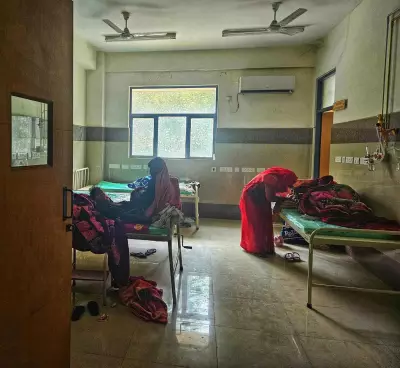
A new and comprehensive report on cancer incidence in Varanasi has revealed alarming statistics, highlighting a severe public health challenge linked directly to lifestyle choices. The Population-Based Cancer Registry (PBCR) Report for 2020–21, prepared by the Mahamana Pandit Madan Mohan Malaviya Cancer Centre and Homi Bhabha Cancer Hospital, indicates that one out of every 36 men in Varanasi is at risk of developing oral cancer, making it the most prevalent cancer among males in the region.
Tobacco Use Fuels the Cancer Crisis
The report, which is the third such detailed analysis for the district, identifies the consumption of tobacco and tobacco-based products as the primary driver behind the high prevalence of oral cancer. Products like gutka and khaini are specifically implicated. Dr. Divya Khanna, head of the PBCR, stated that data analysis shows a direct link, with tobacco use responsible for 51.2% of cancers in men and 14.2% in women. She emphasised that quitting all forms of tobacco could lead to a significant reduction in these cancer cases.
Most Common Cancers in Men and Women
Beyond oral cancer, the report details the other frequently occurring cancers in Varanasi. For men, the top cancers after oral cancer are cancer of the tongue and gallbladder cancer. Among women, breast cancer is the most common, with a risk of one in every 76 women. This is followed by gallbladder cancer and cervical cancer as the next most prevalent forms. The increasing burden of gallbladder cancer in Varanasi and eastern Uttar Pradesh has been flagged as a particular area of concern.

Rural Areas Show Rising Trend, Data Collection Improves
The PBCR report covers Varanasi's entire population of approximately 41 lakhs, spanning 1,295 villages and 90 urban municipal wards. A significant finding is that 57% of the cancer records were sourced from rural areas, collected systematically from all eight blocks of the district. This indicates that the challenge of cancer is rising rapidly in rural communities as well. The improved and regular field visits by cancer registry teams are now providing a more accurate scientific assessment of the true cancer burden, helping to understand disease patterns better.
Released on a recent Saturday, this vital document aligns with the Tata Memorial Centre's mission of service, education, and research. It serves not only to strengthen local cancer care services but also plays a crucial role in enhancing public awareness and ensuring patients seek timely treatment. Such district-level findings are essential for health authorities to understand cancer trends, plan effective treatment strategies, and launch targeted awareness programmes to combat this growing health threat.