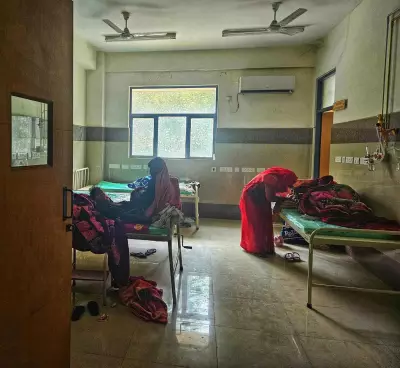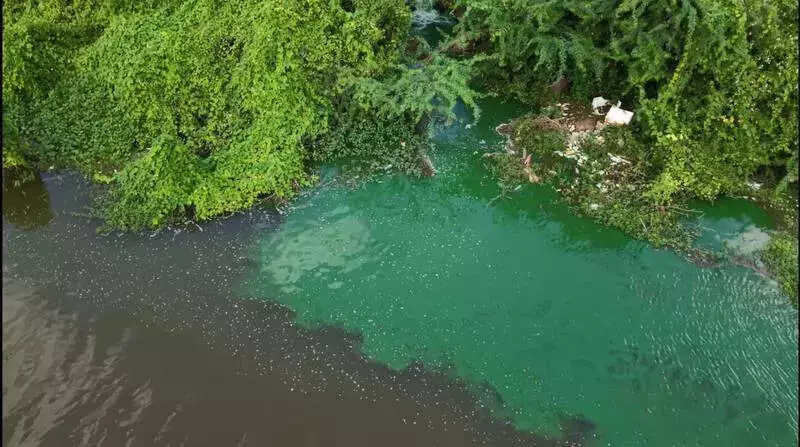
Residents of Tiruvallur are facing a severe public health crisis as untreated sewage continues to flow into local water bodies, contaminating the groundwater relied upon by thousands of families. The Tiruvallur municipality stands accused of failing to operate its sewage treatment plant effectively, leading to widespread environmental damage.
A Decade of Neglect and Pollution
The core of the issue lies in the discharge of raw sewage from 27 municipal wards directly into Putlur lake. This inland waterbody eventually flows into the Cooum river. For over a year, the Manavalanagar Welfare Association has been raising alarms, stating that this practice has severely polluted the groundwater. More than 10,000 families in Manalava Nagar, a central part of Tiruvallur, depend on this groundwater for their daily drinking and domestic needs.
The situation persists despite infrastructure meant to prevent it. The Tiruvallur municipality established a Sewage Treatment Plant (STP) in 2014, which began operations in 2017 after sewer lines were connected. However, residents report that the plant has been non-functional for long periods. In 2019, the National Green Tribunal (NGT) directed the municipality to rectify the defects, but locals claim no substantive action was taken.

Inspections and New Concerns
Following persistent complaints, officials from the Tamil Nadu Pollution Control Board (TNPCB) inspected the STP in September and October 2025. Their observation confirmed ‘improper sewage treatment and discharge issues' in the area, as reported by resident D Anandhakrishnan.
Instead of resolving the core issue, residents allege the municipality is now attempting to lay a pipeline to discharge untreated wastewater directly into the river. "Only treated discharge must first flow into the lake as originally planned. Any attempt to bypass the guidelines through pipelines should be prevented," insisted Anandhakrishnan. He highlighted the importance of a check dam on the river, constructed a decade ago, which had previously alleviated water scarcity.
Official Response and Community Demands
Another resident, Aravind C, emphasized the ecological value of the Cooum stretch, stating, "The Cooum stretch between Tiruvallur and Kesavaram is a living river ecosystem, not a sewage drain." Officials from the Water Resources Department have stated they have not issued a no-objection certificate for the pipeline project mentioned by residents.
The community has put forth clear demands to the authorities:
- The TNPCB must conduct continuous monitoring of the discharge.
- The Chennai Rivers Restoration Trust should take control of the river restoration efforts.
When contacted, Tiruvallur District Collector M Prathap acknowledged the TNPCB inspections. He stated, "We are building a new STP near the existing one and it will be completed in a few months. We also repaired the existing one." However, residents remain skeptical, awaiting tangible results that will end the pollution of their vital water sources and protect the local ecosystem from further degradation.