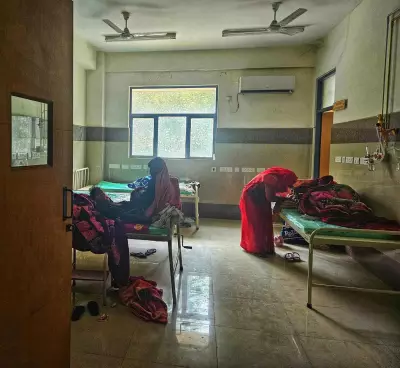
Air pollution in India has escalated beyond a threat to lungs and hearts, emerging as a significant danger to reproductive health. Fertility specialists and obstetricians across the country are raising the alarm, pointing to mounting global evidence that connects long-term exposure to polluted air with rising infertility in both men and women, unsuccessful IVF cycles, and heightened risks during pregnancy. This risk persists even for individuals who are otherwise healthy.
The Scientific Link: From Coincidence to Cause
Dr. Sandeep Talwar, a Fertility Specialist at Nova IVF Fertility in Delhi-NCR, states that the connection is now firmly established by numerous large-scale studies. Chronic exposure to fine particulate matter, especially PM2.5, is consistently tied to reduced sperm concentration, poor sperm motility, increased DNA fragmentation, and hormonal imbalances in men. For women, the same exposure correlates with diminished ovarian reserve, irregular ovulation, and poorer results in assisted reproductive technologies like IVF.
Dr. Talwar explains that the understanding of the biological mechanism has solidified the argument. Air pollutants trigger oxidative stress and chronic inflammation within the body. This process damages sperm DNA and speeds up the depletion of a woman's ovarian follicles, which contain her eggs. Recent IVF studies, after accounting for age and lifestyle, show lower implantation and live-birth rates for women residing in heavily polluted areas, moving the link from correlation to a credible cause-and-effect relationship.

Pollution as a Silent Multiplier of Risk
Doctors are careful to clarify that pollution does not replace known fertility risk factors like smoking, obesity, or poor diet. Instead, it acts as a powerful background exposure that can worsen reproductive health even in those leading healthy lives. "Unlike smoking or diet, pollution is not a personal choice," Dr. Talwar emphasizes. New data shows it interacts with traditional risks, amplifying their harmful effects.
For example, sperm damage is markedly higher in men who smoke or are overweight and also live in regions with poor air quality, compared to those facing only one of these risks. "Pollution acts as a silent multiplier rather than a standalone cause," he added. Consequently, while not yet a formal part of standard fertility assessments, pollution exposure is increasingly considered in clinical practice, particularly in cases of unexplained infertility, recurrent IVF failure, and repeated pregnancy loss.
Pregnancy and the Developing Child: A Period of High Vulnerability
The case for recognizing pollution as a clinical risk factor becomes even stronger during pregnancy. Dr. Priyanka Dass, Consultant Obstetrician and Infertility Specialist at Motherhood Hospitals in Bengaluru, notes that chronic exposure to PM2.5, nitrogen dioxide, and traffic-related pollutants is consistently linked to adverse outcomes.
"These pollutants induce systemic inflammation and oxidative stress in the mother, impair placental function, and reduce oxygen and nutrient delivery to the foetus," she explained. This translates clinically into higher risks of miscarriage, preterm labour, restricted foetal growth, and low birth weight. Prolonged exposure has a cumulative impact on pregnancy health.
Alarmingly, doctors state there is no clearly defined safe threshold of pollution during pregnancy. "Even pollution levels considered acceptable for the general population may pose risks to a developing foetus," Dr. Dass warned. The impact extends to the baby's developing organs. High pollution exposure can affect lung airway formation and immune responses, raising the child's future risk of asthma and reduced lung function.
Furthermore, pollutants can cross the placental barrier and influence brain development by altering inflammation and blood flow, potentially affecting how neural connections form. Growing evidence links prenatal pollution exposure to long-term neurodevelopmental effects, including lower cognitive scores and attention difficulties in childhood.

The consensus among medical professionals is clear: air pollution must be viewed as a critical reproductive health issue, not merely an environmental one. While individuals cannot control outdoor air quality, awareness and actions like minimizing exposure, improving indoor air quality, ensuring antioxidant intake, and closer monitoring of high-risk pregnancies can help mitigate some of the long-term risks to fertility, pregnancy, and a child's lifelong health.