

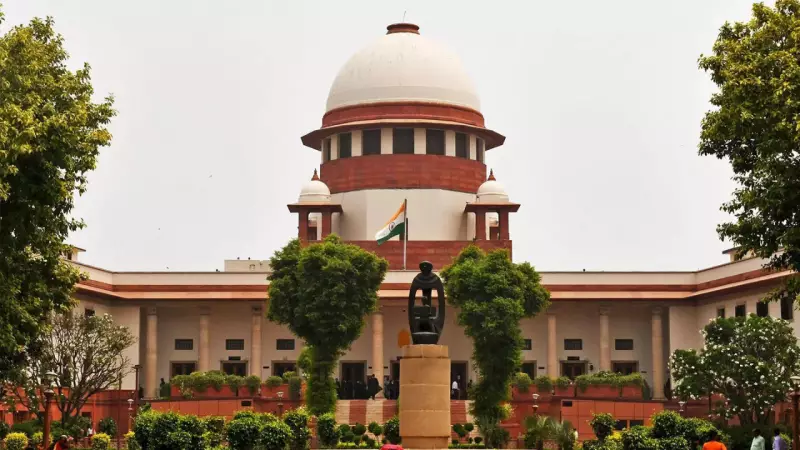
In a stunning revelation that exposes critical gaps in India's pollution combat system, the Supreme Court has uncovered that only 9 out of 37 air quality monitoring stations were operational in Delhi during Diwali - the festival notorious for worsening the capital's already toxic air.
Supreme Court's Stern Rebuke
The apex court didn't mince words while pulling up concerned agencies for the massive data blackout during a crucial period. "How can we effectively tackle pollution when we don't even have proper monitoring?" the court questioned, highlighting the severe implications of such monitoring failures.
The Diwali Data Disaster
With just 24% of monitoring stations functioning on one of the most pollution-intensive days of the year, the data gaps raise serious questions about the accuracy of pollution assessments and the effectiveness of mitigation measures. The timing couldn't have been worse - Diwali celebrations typically send pollution levels skyrocketing across the National Capital Region.

Court Demands Immediate Accountability
The Supreme Court has taken a no-nonsense approach, directing the Commission for Air Quality Management (CAQM) to submit a detailed affidavit explaining:
- Reasons for the massive monitoring failure
- Steps being taken to prevent future breakdowns
- Accountability measures for responsible agencies
- Plan for comprehensive monitoring coverage
Broader Implications for Pollution Control
This incident exposes deeper systemic issues in India's pollution monitoring infrastructure. Without reliable real-time data, policy decisions become guesswork, and emergency measures like Graded Response Action Plan (GRAP) implementations lose their scientific basis.
The court's intervention comes at a critical time when Delhi and surrounding regions are bracing for the winter pollution season, where accurate monitoring becomes even more crucial for public health protection.






