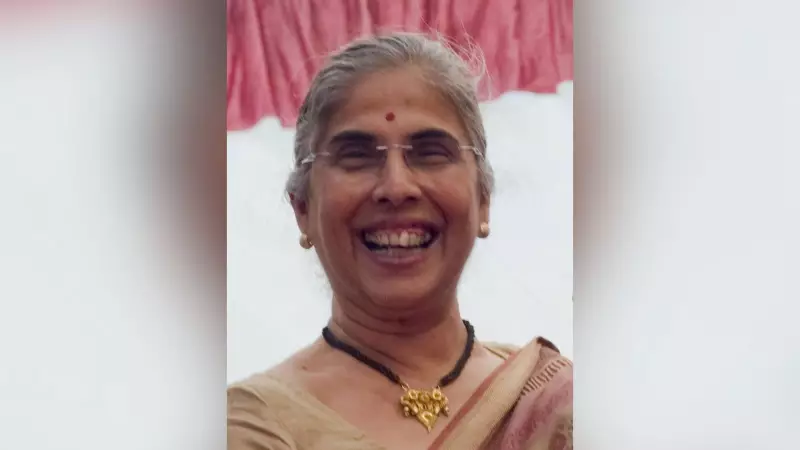
Dr Armida Fernandez Awarded Padma Shri for Groundbreaking Healthcare Contributions
Dr Armida Fernandez, an esteemed neonatologist aged 83, is set to receive the prestigious Padma Shri award in recognition of her transformative work in healthcare. Her pioneering efforts include establishing Asia's first human milk bank, a milestone that has significantly impacted newborn survival rates across India. Dr Fernandez expressed deep honour at the accolade but emphasised that reducing neonatal mortality was a collective achievement, involving dedicated teams and departments.
Journey in Neonatology and Combatting High Mortality Rates
Dr Fernandez began her career in neonatology at Mumbai's Sion Hospital during the early 1970s, a period marked by alarmingly high neonatal mortality rates. Newborns were particularly susceptible to life-threatening conditions such as sepsis and diarrhoea. Through extensive research, she identified that formula milk and contaminated bottles were primary sources of diarrhoea, prompting her to advocate for low-cost, practical solutions.
Mother's milk, she asserts, is the first immunisation a child receives, offering crucial protection during the initial weeks of life. Colostrum, the nutrient-dense and antibody-rich component of breast milk, plays a vital role in building immunity, preventing infections, and kick-starting the infant's digestive system. This is especially critical for premature or low-birth-weight babies, as it aids gut maturation, stabilises blood sugar levels, and fosters essential bonding between mother and child.

Establishing Asia's First Human Milk Bank
To address the shortage of mother's milk for vulnerable infants, Dr Fernandez initiated a revolutionary approach by encouraging healthy lactating mothers to donate excess milk. This donated milk was then used for babies whose mothers could not produce sufficient milk or were medically compromised. Her efforts culminated in the establishment of Asia's first human milk bank in 1989 at Sion Hospital, with support from the Taj Group of Hotels and other benefactors. This initiative eliminated the use of formula milk at the hospital and set a precedent for others to follow.
The model quickly gained traction, spreading to other major hospitals in Mumbai such as KEM and JJ, and later to various centres across India with the involvement of Rotary Clubs. Today, the country boasts over 100 human milk banks, reflecting the widespread adoption and success of Dr Fernandez's vision. She has also contributed to educational efforts by preparing a Breastfeeding Manual, known as the Blue Module, with UNICEF support, along with training videos that have been utilised to educate healthcare professionals nationwide.
Expanding Beyond Hospital Care to Community Health
Recognising that hospital-based interventions alone were insufficient to save lives, Dr Fernandez expanded her focus to community health. She observed that many mothers arrived at hospitals too late, and stillbirths were common, highlighting deeper issues within low-income settlements. This led her to step outside the hospital and into areas like Dharavi, where she co-founded the Society for Nutrition, Education and Health Action (SNEHA).
SNEHA is dedicated to improving maternal and newborn health, child nutrition, and addressing violence against women. The organisation, now comprising over 500 members, works extensively in Mumbai's underserved communities to overcome challenges related to lack of information, resources, and access to quality healthcare services.
Personal Tragedy and Focus on Palliative Care
Dr Fernandez's commitment to healthcare took a personal turn 13 years ago following the loss of her daughter to cancer. Witnessing the suffering associated with terminal illnesses inspired her to address the unmet need for palliative care. She expanded SNEHA's scope to include palliative and dementia care services, ensuring that patients receive comprehensive support.
Today, these services include physiotherapy and counselling at a centre in Bandra, along with home visits by multidisciplinary teams in Mumbai's slums. Dr Fernandez acknowledges the invaluable support from the Brihanmumbai Municipal Corporation (BMC) and other partners, which has enabled these services to remain free of cost for patients in need.

Impact on Maternal and Child Health Indicators
Dr Fernandez's lifelong dedication has contributed to significant improvements in India's maternal and child health indicators. According to the Sample Registration System (SRS) report released in May 2025, the Maternal Mortality Ratio has decreased from 130 to 93 per lakh live births. Similarly, the Infant Mortality Rate has declined from 39 to 27 per 1,000 live births between 2014 and 2021, while the Neonatal Mortality Rate has fallen from 26 to 19 per 1,000 live births during the same period.
Her work exemplifies how innovative healthcare solutions, combined with community engagement and compassionate care, can drive meaningful change. Dr Armida Fernandez's Padma Shri award not only honours her individual achievements but also celebrates the collective efforts that have transformed healthcare for countless families across India.