The National Green Tribunal (NGT) has stepped in to address a serious environmental complaint in Patiala, Punjab, concerning the alleged illegal dumping of municipal waste next to a cremation ground. Acting on a petition, the tribunal's principal bench in New Delhi has issued formal notices to multiple state authorities, demanding an explanation and a plan of action.
NGT Issues Notices to Punjab Authorities
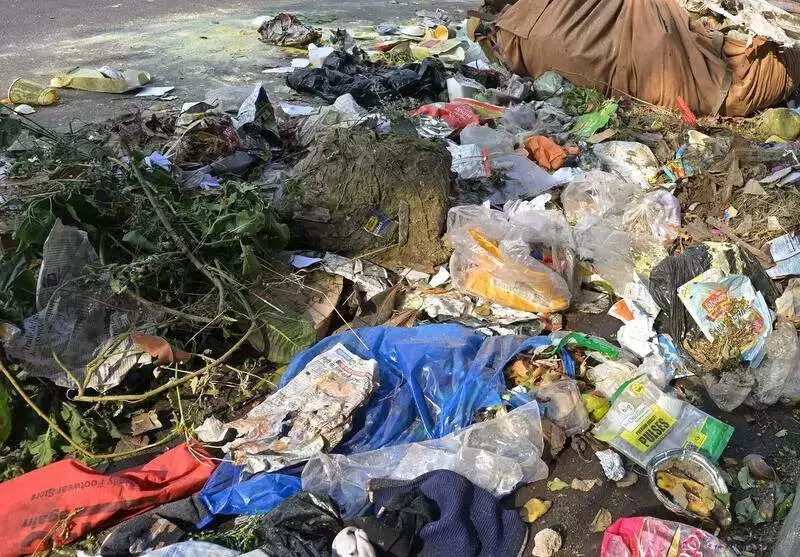
The legal action was initiated based on a letter petition filed by Bal Krishna Singla, the president of the Shri Sanatan Dharam Kumar Sabha. The complaint highlighted that the Municipal Corporation (MC), Patiala, has been offloading large quantities of mixed city waste adjacent to the Ghalori Gate cremation ground. This has resulted in an intense foul smell, posed health risks, and caused severe discomfort to bereaved families and local residents.
The NGT, treating this as a grave environmental issue, noted that if the allegations are proven correct, it would signify a violation of basic norms for municipal solid waste management and the dignified handling of cremation facilities. Consequently, the tribunal issued notices to:

- The State of Punjab through the Principal Secretary (Environment)
- The District Magistrate of Patiala
- The Punjab Pollution Control Board (PPCB)
- The Municipal Corporation, Patiala
These entities have been directed to file their responses within one month. They must explain the factual situation, detail steps taken so far, and propose measures to prevent any illegal or unscientific dumping of solid waste near the sensitive site, ensuring compliance with environmental laws. The case is listed for its next hearing on February 6, 2026.
Joint Committee Formed for Inspection and Report
To independently verify the allegations and suggest corrective measures, the NGT has constituted a joint committee. This committee comprises representatives from the Central Pollution Control Board (CPCB), the Punjab Pollution Control Board (PPCB), and the District Magistrate of Patiala.
The panel has been given a strict mandate:
- Visit the Ghalori Gate cremation ground site within two weeks.
- Ascertain the factual situation on the ground.
- Assess the impact on public health and the local environment.
- Recommend remedial steps in line with the Solid Waste Management Rules, 2016, and other applicable laws.
The tribunal's directives to the committee are specific and urgent. They include ensuring the immediate cessation of any unscientific dumping, the safe removal of already accumulated waste, and implementing measures to prevent a recurrence. The committee must submit a detailed report to the NGT within a month, complete with photographic evidence, the compliance status of local authorities, and a time-bound action plan.
A Recurring Problem in Punjab
The tribunal's decision to set specific timelines for inspection and reporting reflects a pattern observed in its earlier interventions in Punjab and Chandigarh. Delays in municipal action have often led to the accumulation of legacy waste near sensitive locations like cremation grounds.
In recent years, the NGT's principal bench has repeatedly reprimanded urban local bodies in Punjab for the unsegregated and illegal dumping of municipal waste around cremation grounds and residential areas. The tribunal has consistently deemed such practices clear violations of environmental norms and an infringement on citizens' fundamental right to a clean environment.
Speaking to The Times of India, petitioner Bal Krishna Singla claimed that approximately 1.5 lakh tons of garbage has been dumped at the site. The situation has become so dire that bereaved local residents now prefer to use the cremation ground on Rajpura Road, despite it being around 3 kilometers away.
In response, Patiala Mayor Kundan Gogia stated that action to lift the garbage is underway. He mentioned that tenders worth Rs 4 crore have been issued for collecting garbage from various points in the city. Additionally, he said tenders of Rs 52 crore were issued for door-to-door collection and segregation of garbage, indicating broader municipal waste management initiatives.