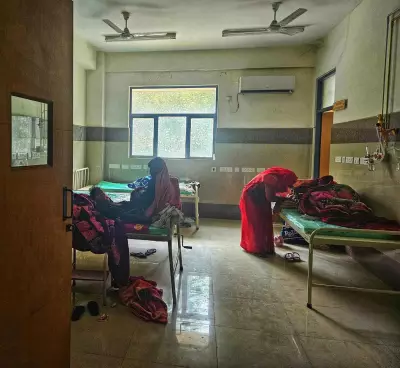
A fresh wave of COVID-19 infections is being observed across Asia, with Singapore and Hong Kong reporting significant spikes. In India, health authorities have confirmed the detection of two new sub-variants, NB.1.8.1 and LF.7, contributing to a gradual increase in cases. The nation's current active caseload stands at 257 infections, spread across several states, though the situation is described as endemic and under control.
Current COVID-19 Situation Across Indian States
The distribution of cases shows a clear regional pattern. Kerala is currently reporting the highest number of active COVID-19 cases. It is followed by Tamil Nadu, Maharashtra, Karnataka, and Delhi. A critical point of relief is that the vast majority of these infections are mild, allowing for home management without the need for hospitalization. Government and health agencies are maintaining a close watch, with special advisories issued for vulnerable populations including pregnant women, children, and individuals with pre-existing conditions like cancer or heart disease.
Understanding the New Variants: NB.1.8.1 and LF.7
India's genomic surveillance network has identified two new coronavirus sub-lineages. The NB.1.8.1 variant was first detected in Tamil Nadu in April 2025. Shortly after, in May 2025, four cases of the LF.7 variant were confirmed in Gujarat. The World Health Organization (WHO) has classified both as 'Variants Under Monitoring' (VUMs). This status indicates that while these variants possess genetic changes warranting observation, they are not yet elevated to the more serious 'Variants of Concern' (VOC) category.

These variants have been associated with recent infection surges in other Asian regions, hinting at potentially higher transmissibility. However, current data suggests the illness they cause remains mild, with symptoms often comparable to common flu or earlier mild COVID-19 presentations.
How Do These Variants Differ from Past Strains?
The primary difference lies in their genetic makeup. Both NB.1.8.1 and LF.7 carry distinct mutations that set them apart from previous dominant variants like Delta or Omicron. These genetic tweaks can influence how easily the virus spreads, its interaction with human immune defenses, and its response to existing medical countermeasures.
Despite their apparent ease of spread, the public health impact differs markedly from earlier waves. Unlike the Delta variant, which drove severe illness and high mortality, infections from these new variants have not led to a significant rise in hospitalizations or deaths. This is attributed to widespread immunity from past infections and vaccination.
Vaccine Efficacy and Public Health Response
Health authorities affirm that current vaccines and treatments continue to be effective against these new sub-variants. There is no evidence yet to suggest that NB.1.8.1 or LF.7 can significantly evade immunity gained from vaccination or prior infection. Officials continue to stress the importance of staying up-to-date with recommended booster doses.
The Indian government, through the Indian SARS-CoV-2 Genomics Consortium (INSACOG), is actively conducting genomic sequencing to track the spread and evolution of the virus. Hospitals have been advised to ensure preparedness in terms of bed capacity, oxygen supply, and essential medicines.
The standard COVID-appropriate advisories have been reiterated for the public:
- Wearing masks in crowded or poorly ventilated indoor spaces.
- Maintaining rigorous hand hygiene through frequent washing or sanitizing.
- Exercising caution at large gatherings.
- Getting vaccinated and taking booster shots as per eligibility.
Should India Be Concerned?
While the emergence of new variants and a rise in cases necessitates careful monitoring, there is no cause for public panic. The situation remains manageable, with most cases being mild. The key public health message is one of informed vigilance rather than fear. Health professionals urge citizens to rely on information from official and credible sources, follow basic precautions, and ensure their vaccination status is current to protect themselves and the community from any potential escalation.