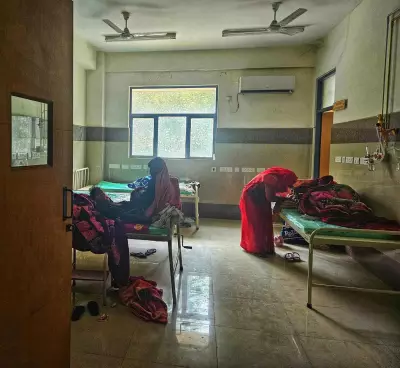
In a significant move driven by parental concern, the Warrior Moms collective has formally appealed to India's top medical research body to bridge a critical gap in healthcare. The group, consisting of mothers alarmed by the deteriorating air quality, has written to the Indian Council of Medical Research (ICMR) advocating for the integration of local air-quality data into patients' electronic medical records (EMRs).
The Core Demand: Turning Addresses into Health Indicators
The central proposal in the letter addressed to the ICMR Director General is straightforward yet powerful. The mothers urge that a patient's residential postcode be paired with real-time Air Quality Index (AQI) readings within their EMR. They argue that this linkage would transform a simple address into a powerful health indicator, providing doctors with immediate, crucial context about the environmental reality their patients live in daily.
The collective emphasized that toxic air has moved beyond being an abstract environmental issue. For families, it is now a tangible crisis reflected in frequent hospital visits, sleepless nights caring for sick children, and the unsettling presence of inhalers in school bags. They backed their appeal with scientific evidence highlighting how polluted air exacerbates respiratory illnesses, hampers cognitive development in children, and elevates long-term risks of chronic heart and lung diseases.

Why Doctors Are Backing the Initiative
Medical professionals on the front lines confirm the urgent need for such integration. Dr. Meena J, Senior Consultant in Paediatrics and Neonatology at Aakash Healthcare, reported a visible surge in cases linked to poor air quality. We are seeing far more wheezing, chest infections and hospital visits during bad-air days, she stated, noting that the period of severe pollution now extends well beyond the Diwali season.
Dr. Meena J explained that having AQI data automatically linked to a child's EMR would provide clearer context for symptoms, enable more precise timing for health warnings to families, and ultimately improve treatment guidance. She described it as a simple, practical step that can significantly strengthen daily clinical decision-making, allowing doctors to offer more personalized and preventative care.
A Step Towards Institutionalizing Pollution Awareness
The Warrior Moms believe this integration is more than a technical upgrade; it's a paradigm shift. They argue it would help institutionalize air pollution as a fundamental component of routine clinical awareness across India's healthcare system. This, in turn, would strengthen the nation's overall capacity to respond to and manage pollution-linked diseases proactively.
In their communication, the group stated that this simple yet meaningful step can empower doctors to offer timely advice, communicate health risks more clearly, and guide families on effective protective measures during episodes of severe air pollution. They have framed it as a critical public-health opportunity for ICMR to lead, urging the council to issue national guidance supporting the initiative.
The letter, signed by Warrior Moms members including Bhavreen Kandhari, Namrata Yadav, Jasmine Singh, and Amita Singh, carries a deeply personal weight. We are not only advocating as citizens we are speaking as mothers worried for our children's futures, they wrote, highlighting the visceral motivation behind their campaign. By connecting environmental data directly to health records, they hope to equip both doctors and families with the tools needed to safeguard the next generation from the insidious effects of air pollution.