A stark contrast in air quality was recorded across India on Monday, December 15, 2025. While some regions enjoyed clear skies and safe air, others, particularly in the north, were engulfed in a toxic haze. The daily 4 pm bulletin from the Central Pollution Control Board (CPCB) painted a picture of two very different Indias based on data from hundreds of monitoring stations nationwide.
How Air Quality Was Measured
The CPCB's snapshot for December 15 was based on a 24-hour average of key pollutants, including the dangerous fine particulate matter PM2.5 and PM10, nitrogen dioxide, and ozone. These readings were converted into an Air Quality Index (AQI) and classified into six bands: Good (0-50), Satisfactory (51-100), Moderate (101-200), Poor (201-300), Very Poor (301-400), and Severe (401-500). This single day's data highlighted the extreme geographical disparity in pollution levels as winter sets in.
The Clean Air Champions
Only a handful of locations managed to secure a spot in the coveted "good" AQI category with values below 50. Topping the list was Aizawl in Mizoram, a hill city that consistently benefits from its geography and lower emission sources. Another standout was Chamarajanagar in Karnataka, which, distanced from major industrial and traffic hubs, reported similarly healthy air.

Several other smaller towns, primarily in Southern and Northeastern India, recorded AQI in the "good" to "satisfactory" range. For residents here, the CPCB's health advisory meant minimal risk, allowing for normal outdoor activities for all age groups without significant concern from air pollution alone.
Pollution Hotspots in Severe Zone
On the opposite end of the spectrum, the situation was alarming across the Indo-Gangetic plain. Multiple monitoring stations in Delhi and the National Capital Region (NCR) registered AQI levels brushing 400 and entering the "severe" zone. The primary culprit was exceptionally high concentration of PM2.5 particles.
This crisis was not confined to the capital. Neighbouring cities in Uttar Pradesh and Haryana, part of the wider NCR, also languished in the "very poor" category, with AQI values consistently above 300. The toxic mix was attributed to a combination of vehicle emissions, industrial pollution, adverse winter meteorological conditions, and the regional transport of pollutants.
Public Health Implications and Advisory
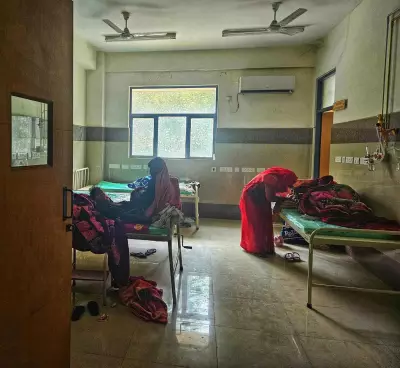
The CPCB framework clearly states that "very poor" air can cause respiratory illness and aggravate heart and lung diseases. The "severe" category poses even graver risks, potentially leading to respiratory emergencies and increased hospital admissions with prolonged exposure.
On December 15, authorities advised vulnerable groups—including children, the elderly, pregnant women, and those with asthma, COPD, or heart conditions—in severely affected areas to avoid outdoor activities and stay indoors as much as possible. The general public was urged to limit heavy exertion, especially during peak traffic hours.
This daily data is more than just numbers; it is a critical health indicator. For cleaner cities, it underscores the success of sustainable policies. For pollution-choked regions, it is a dire warning and a call for urgent, concerted action to safeguard public health.