

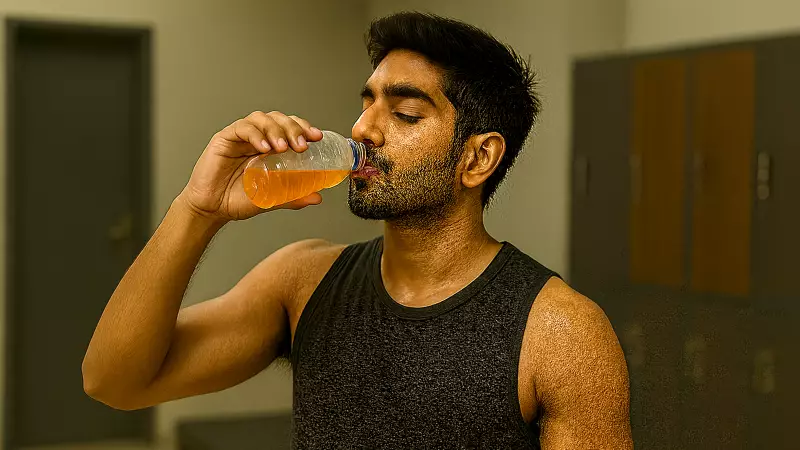
India is witnessing a major crackdown on popular hydration drinks, with authorities taking decisive action against products that misleadingly resemble essential Oral Rehydration Solutions (ORS). This move brings the critical issue of how flavoured electrolyte beverages are marketed and their potential health risks sharply into focus.
Court Order and Regulatory Ban
The controversy escalated significantly when the Delhi High Court moved to block the sale of ORSL stock. In a parallel and reinforcing action, the Food Safety and Standards Authority of India (FSSAI) has banned ORS-style branding for products that do not meet the strict standards of genuine ORS. These events, unfolding around November 20, 2025, have ignited one of the year's most heated consumer-health debates.
The Core Problem: Misleading Marketing and Health Risks
The central issue identified by regulators and health experts is that several flavoured electrolyte drinks are packaged and presented in a way that confuses consumers into believing they are purchasing genuine ORS. However, there is a crucial difference. Medical professionals have raised a serious alarm, stating that these sugary products can actually worsen diarrhoea, a condition that genuine ORS is designed to treat.

This is not a minor concern. Doctors emphasize that during episodes of diarrhoea, especially in children, administering a high-sugar drink can draw more water into the gut, exacerbating fluid loss and dehydration. This puts child health at serious risk, turning a product marketed for 'hydration' into a potential health hazard.
Wider Implications for Consumer Safety
The combined action of the Delhi High Court and the FSSAI signals a tougher stance on the blurring of lines between commercial consumer goods and medically-important formulations. The controversy has successfully brought the problem of misleading electrolyte drink labels to the forefront of public discourse.
This regulatory push aims to create a clearer market distinction, ensuring that when parents or caregivers reach for a product to rehydrate a sick child, they are not inadvertently purchasing something that could cause more harm than good. The pulling of these drinks from shelves marks a significant step towards prioritizing accurate product information and safeguarding public health over commercial interests.






