

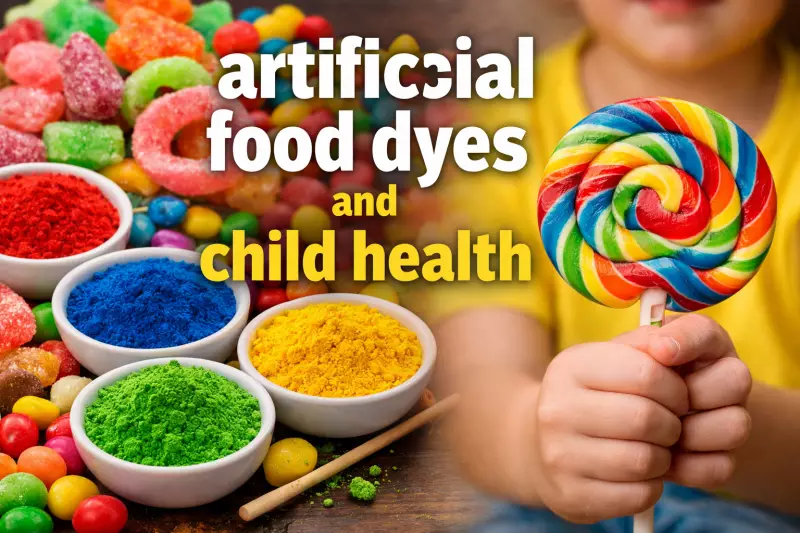
The vibrant hues of candies, sugary cereals, fizzy drinks, and packaged snacks are a powerful language that speaks directly to children. Before they can even read, kids are drawn to the exciting reds, fun blues, and happy yellows that promise joy and familiarity. However, these artificial colours, designed purely to attract the eye, often coat foods with little nutritional value, raising significant health concerns for growing bodies.
Why Children Are More Vulnerable to Synthetic Dyes
Children are not just small adults, especially when it comes to processing food additives. They consume far more dye-heavy foods per kilogram of body weight compared to adults. Compounding this higher exposure is the fact that their biological systems are still maturing. A child's liver, gut, and detoxification pathways are under development, which means synthetic dyes and their chemical byproducts can linger in their bodies longer or interact more intensely.
This key developmental difference explains why some children exhibit visible reactions—such as changes in behaviour, focus, or sensitivity—while others seem unaffected by the same brightly coloured treats. The impact is not uniform, but the potential for effect is scientifically grounded in their physiology.

Research Links: Behaviour, Allergies, and the Gut
Over the years, scientific attention has firmly shifted toward understanding behavioural links. Multiple controlled studies indicate that synthetic food dyes may intensify symptoms like inattention, impulsivity, and hyperactivity in susceptible children. It is crucial to note that these dyes do not cause conditions like ADHD, but evidence suggests they can exacerbate behavioural challenges by influencing brain signalling, immune responses, or histamine release.
Behaviour is not the only concern. Physical sensitivity is also a recognised issue. Certain dyes, particularly azo dyes, have been associated with skin reactions like itching and hives, as well as respiratory symptoms in children with pre-existing asthma or allergies. These reactions are frequent enough to be acknowledged in paediatric healthcare settings.
Emerging research is now exploring the gut-brain connection. Artificial dyes are often broken down by gut bacteria before absorption, potentially creating compounds that affect inflammation and gut health. Given the strong link between the gut and the brain, this interaction could influence mood and behaviour in subtle yet significant ways.
A Global Patchwork of Food Regulations
The regulatory approach to these additives varies dramatically across the world. In some countries, including India, manufacturers are only required to list dyes on ingredient labels. In others, like parts of Europe, foods containing specific synthetic colours must carry warning labels about potential effects on children's activity and attention. This disparity reflects a difference in precautionary principles among regulators, not a lack of concern.
Making Practical Changes Without Panic
Reducing a child's exposure to artificial colours does not require a perfect, restrictive diet. Consistent, small choices can significantly lower overall intake over time. Parents can adopt several practical steps:
- Read ingredient labels diligently to identify synthetic colours.
- Limit ultra-processed snacks and drinks that are typically high in dyes.
- Be mindful of how many artificially coloured foods a child consumes in a single day.
- Opt for dye-free versions of medicines, supplements, and beverages where available, as these are common hidden sources.
It's important to remember that colour itself is not the enemy. For centuries, natural sources like beetroot, turmeric, and paprika have been used to colour food. This tradition is making a comeback in packaged goods, offering visual appeal without the associated health compromises, proving that vibrant food does not have to come at a cost to well-being.






